
Table of Contents
🌿 Engaging Introduction
Do you often feel bloated, uncomfortable, or heavy after meals? Digestive problems like gas, constipation, and acidity are common, but the solution may be simpler than you think. The food you eat plays a powerful role in how well your digestive system functions.
If you’re wondering what to eat for better digestion naturally, this complete guide will help you understand the best digestion-friendly foods, daily habits that support gut health, and simple nutrition tips you can start today. Improving digestion doesn’t require expensive supplements — just smart, balanced food choices.
🧠 Why Good Digestion Matters
Your digestive system is responsible for:
- Breaking down food into nutrients
- Absorbing vitamins and minerals
- Supporting immunity
- Regulating energy levels
- Maintaining gut bacteria balance
Poor digestion can lead to:
- Bloating
- Constipation
- Acid reflux
- Low energy
- Weak immunity
Improving digestion naturally starts with your plate.
🥦 Best Foods to Eat for Better Digestion Naturally
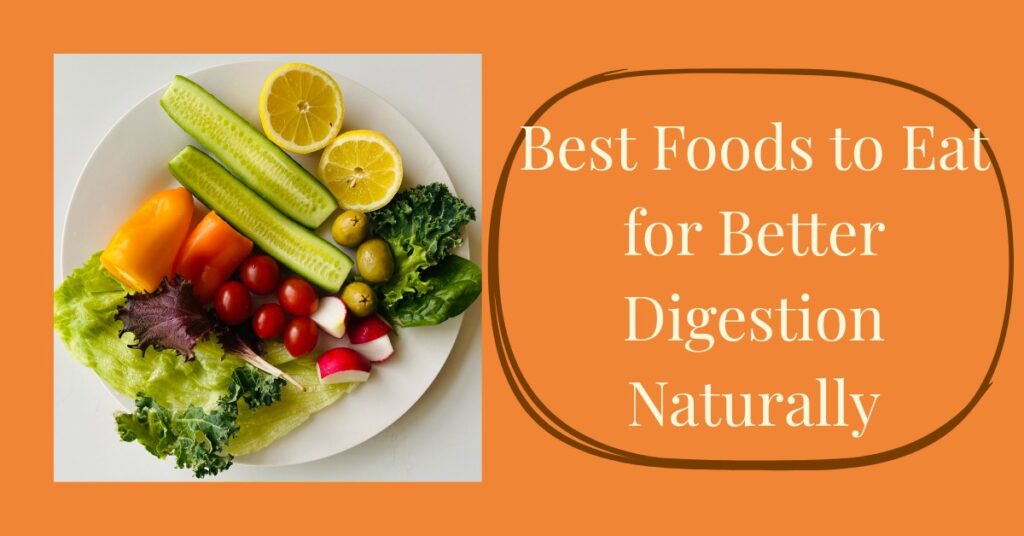
1️⃣ Fiber-Rich Vegetables
Fiber supports smooth bowel movements and prevents constipation.
Best options:
- Spinach
- Carrots
- Broccoli
- Bottle gourd
- Cucumber
Fiber adds bulk to stool and feeds good gut bacteria.
2️⃣ Fruits That Improve Gut Health
Certain fruits help digestion naturally.
Great choices:
- Papaya (contains digestive enzymes)
- Banana (easy on the stomach)
- Apple (rich in fiber)
- Pomegranate
These fruits reduce bloating and improve bowel movement.
3️⃣ Probiotic Foods
Probiotics introduce beneficial bacteria into your gut.
Examples:
- Yogurt (curd)
- Buttermilk
- Fermented foods
Probiotics help maintain a healthy gut microbiome.
4️⃣ Warm Water in the Morning

Drinking warm water stimulates digestion and bowel movement.
- Improves metabolism
- Flushes toxins
- Reduces constipation
👉 Read more about this habit: Benefits of Drinking Warm Water in the Morning for Better Health
5️⃣ Whole Grains
Whole grains contain fiber and essential nutrients.
Good options:
- Oats
- Brown rice
- Whole wheat
- Millets
They support slow digestion and steady energy release.
6️⃣ Ginger and Herbal Additions
Natural digestive aids include:
- Ginger
- Cumin seeds
- Fennel seeds
They reduce gas and improve digestion naturally.
7️⃣ Nuts and Seeds (In Moderation)
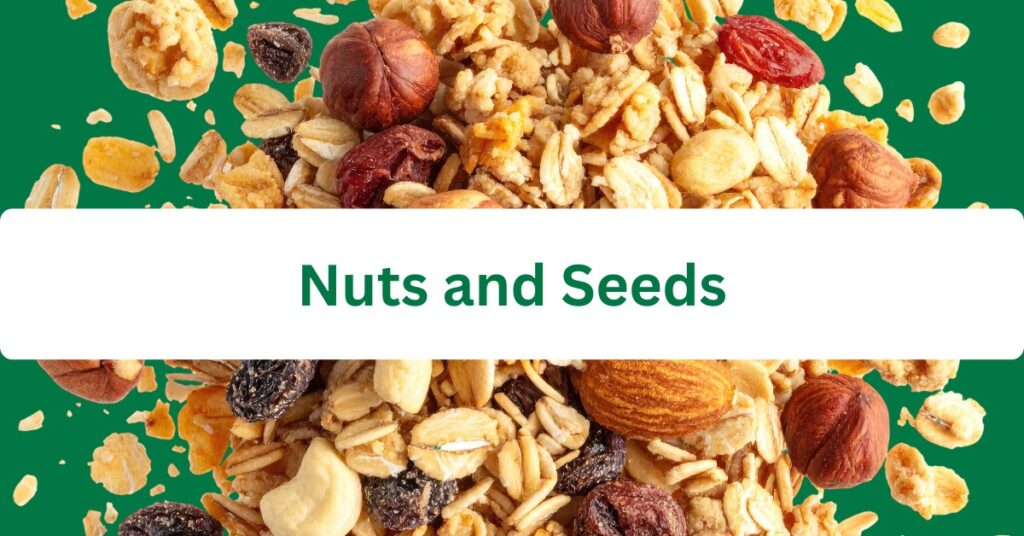
Chia seeds and flaxseeds support digestion due to fiber content.
Add small portions to:
Salads
Smoothies
Yogurt
🚫 Foods to Avoid for Better Digestion
If you’re wondering what to eat for better digestion naturally, focusing on simple, whole foods can significantly improve gut health and overall comfort. Here’s a beneficial point-wise guide to help you make better choices:
• Fiber-rich fruits like papaya, apples, and pears help regulate bowel movements and reduce constipation.
• Leafy greens and vegetables support smooth digestion and provide essential nutrients for gut balance.
• Whole grains such as oats and brown rice promote healthy digestion by adding natural fiber.
• Probiotic foods like yogurt and fermented items help maintain healthy gut bacteria.
• Ginger and herbal teas can soothe the stomach and reduce bloating naturally.
• Adequate water intake keeps the digestive system moving efficiently.
At the same time, understanding the foods to avoid for better digestion is equally important:
• Fried and oily foods that slow digestion.
• Highly processed snacks that irritate the gut.
• Excess sugar and sugary drinks that disrupt gut bacteria.
• Carbonated beverages that cause gas and bloating.
• Very spicy or heavy meals that may trigger acidity.
Making these simple dietary adjustments can naturally improve digestion, reduce discomfort, and help you feel lighter and more energetic every day.
🌙 Eating Habits That Improve Digestion
If you’re wondering what to eat for better digestion naturally, combining the right foods with smart daily habits can make a big difference in gut health. Here’s a beneficial point-wise guide to support smoother digestion:
🌿 What to Eat for Better Digestion Naturally
• Fiber-rich fruits like papaya, banana, and apples help regulate bowel movements and prevent constipation.
• Leafy greens and vegetables provide natural fiber and essential nutrients that support gut function.
• Whole grains such as oats and brown rice promote steady digestion and improve metabolism.
• Probiotic foods like yogurt and fermented items help maintain healthy gut bacteria.
• Ginger and warm herbal teas soothe the stomach and reduce bloating.
• Adequate water intake keeps the digestive system hydrated and functioning properly.
🌙 Eating Habits That Improve Digestion
• Eat slowly and chew properly to help your stomach break down food easily.
• Maintain regular meal timings to support your body’s natural digestive rhythm.
• Avoid overeating and keep portion sizes balanced.
• Limit late-night heavy meals to prevent acidity and discomfort.
• Stay active after meals, such as taking a short walk, to support digestion.
By choosing the right foods and following healthy eating habits, you can naturally improve digestion, reduce bloating, and feel lighter and more energetic throughout the day.
🦠 The Role of Gut Health in Overall Wellness
If you’re wondering what to eat for better digestion naturally, it’s important to understand that digestion is closely connected to overall wellness. A healthy gut supports immunity, energy levels, mood balance, and nutrient absorption. Here’s a beneficial point-wise guide explaining the connection:
• Stronger immunity – A large portion of the immune system is linked to the gut, so balanced bacteria improve defense against illness.
• Better nutrient absorption – A healthy digestive system ensures your body absorbs vitamins and minerals efficiently.
• Improved energy levels – Proper digestion prevents sluggishness and supports steady energy.
• Mood and mental health support – The gut-brain connection plays a key role in emotional balance.
• Reduced inflammation – Good gut health helps lower digestive discomfort and systemic inflammation.
By choosing the right foods and nurturing gut health, you naturally improve digestion and support your overall physical and mental well-being.
📅 Sample One-Day Digestion-Friendly Meal Plan
Morning
Warm water + banana + oats
Lunch
Brown rice + vegetables + yogurt
Evening
Fruit + handful of nuts
Dinner
Light meal + short walk
Simple meals work best.
❓ Frequently Asked Questions
What is the best breakfast for digestion?
Oats, fruits, and yogurt are excellent digestion-friendly choices.
How long does it take to improve digestion naturally?
Most people see improvement within 1–3 weeks.
Is walking necessary for good digestion?
Yes, light movement improves gut motility.
🌟 Final Thoughts
• Focus on whole, natural foods like fruits, vegetables, whole grains, and probiotic-rich yogurt to support smooth digestion.
• Include fiber regularly in your meals to prevent constipation and promote healthy bowel movements.
• Stay properly hydrated, as water plays a key role in breaking down food and absorbing nutrients.
• Avoid overeating and practice mindful eating habits to reduce bloating and discomfort.
• Limit processed, fried, and sugary foods that may irritate the digestive system.
• Be consistent — improving digestion naturally takes time, but steady healthy choices deliver lasting results.
By understanding what to eat for better digestion naturally and maintaining supportive daily habits, you can strengthen your gut health, feel lighter after meals, and enhance your overall well-being.

Mujahid Lone is the writer behind HealthCoreTips, researching fitness, nutrition, and daily health habits from credible sources like WHO and Harvard Health to bring readers clear, practical, evidence-based advice.