
Table of Contents
This is part of our gut health series. For the full overview, see Best Ways to Improve Gut Health Naturally. Related guides: Best Morning Drink for Gut Health | Best Ways to Improve Gut Health Naturally | 7-Day Gut Health Meal Plan.
It’s simple to hear advice like “eat more fiber.” But figuring out how to plan breakfast, lunch, and dinner around that idea, without making every meal feel like a research project, is where most gut-health advice falls short.
Good meal ideas for a healthy gut don’t require kombucha in the fridge and a spice cabinet full of unpronounceable supplements. They require a handful of real, well-studied ingredients, arranged into meals you’ll actually make again. This guide walks through exactly that — breakfast to snacks — anchored in a genuinely surprising recent study about which type of food does more for your gut in the short term.
For broader research on why these ingredients work — sleep, stress, plant diversity, and the truth behind “gut reset” claims — our companion guide on the best ways to improve gut health naturally covers that ground in depth. This piece focuses specifically on what to put on your plate.
What Is the Healthiest Food for Your Gut?
There is a more specific, evidence-based answer than the usual advice to simply eat more fiber, and it may surprise you.
A major clinical trial from Stanford Medicine found that eating a lot of fermented foods increased gut microbiome diversity and lowered inflammatory markers over 10 weeks. In contrast, a high-fiber diet alone did not significantly increase diversity in the same period.
The study, published in the journal Cell, randomly assigned 36 healthy adults to follow either a high-fermented-food diet (including yogurt, kefir, kimchi, sauerkraut, kombucha, and fermented cottage cheese) or a high-fiber diet (with legumes, seeds, whole grains, vegetables, and fruit) for 10 weeks. People in the fermented food group had more diverse gut microbes and a measurable drop in 19 inflammatory protein markers. Researchers called this result “stunning” because it is rare for a simple diet change to affect the microbiome so clearly. The high-fiber group did not show a significant increase in diversity during the same period, although researchers said a longer study might show different results. For meal planning, the main point is not to skip fermented foods in favor of fiber alone. The research suggests fermented foods may boost microbiome diversity more quickly.
What Are Easy, Gut-Healthy Meal Ideas for Breakfast?
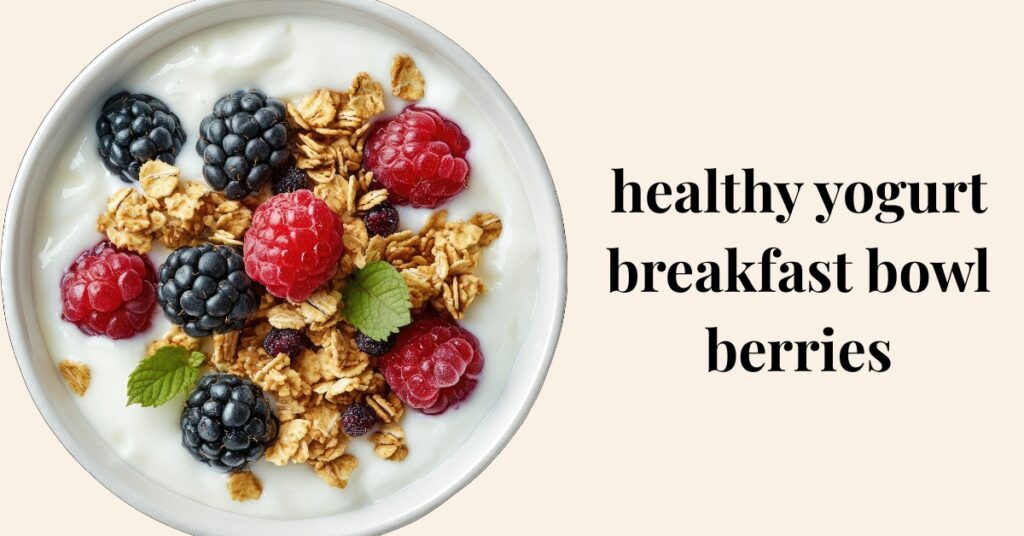
Breakfast is the first chance to nourish your gut after a night without food, and it can be simple.
A yogurt bowl with fruit and seeds or overnight oats are two of the easiest and most research-backed breakfast choices. Both combine probiotics or soluble fiber and take very little time to prepare.
Probiotic yogurt bowl: Use plain yogurt with live active cultures, then add berries and a spoonful of chia or flax seeds. This gives you the benefits of fermented foods, as shown in the Stanford research above, along with fiber from the fruit and seeds. You get both benefits in one bowl.
Overnight oats: Soak oats overnight in milk or a plant-based drink. This helps release soluble fiber (beta-glucan), which feeds good bacteria, and makes the oats easier to digest than quick-cooked ones. In the morning, add nuts and fresh fruit.
Warm lemon or ginger water: This is a gentle way to start digestion before your first meal. We explain the research behind this in our guide to warm water with lemon and ginger.
What Are Good Vegetarian Meal Ideas for a Healthy Gut?
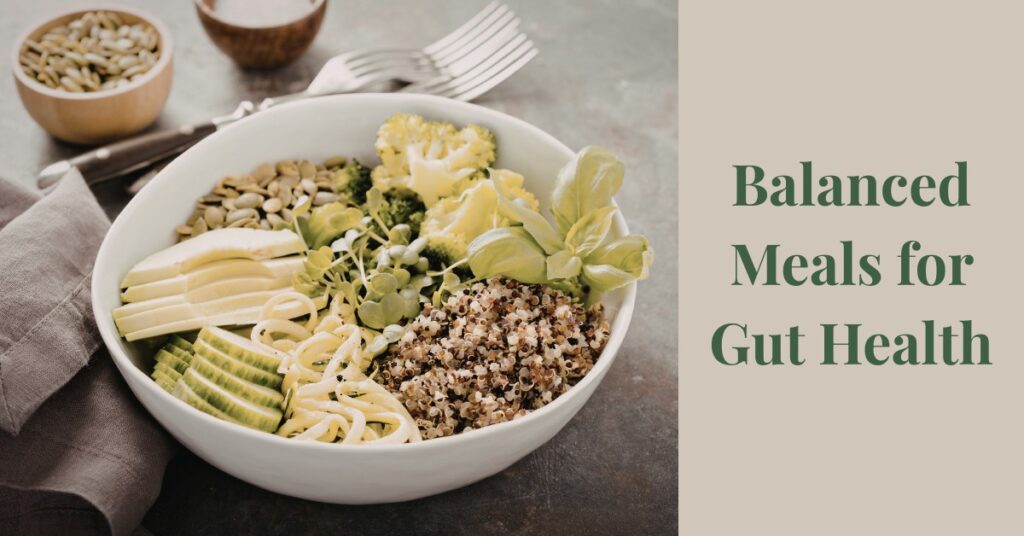
Plant-based eating and gut health go hand in hand, so planning vegetarian meals is a natural choice in this context.
A grain bowl with quinoa, roasted vegetables, and legumes provides a mix of fiber, plant protein, and healthy fats in one easy meal you can make again and again.
Quinoa and roasted vegetable bowl: Combine quinoa, which is a complete plant protein, with roasted broccoli, carrots, and zucchini. Add olive oil or avocado for healthy fat that helps your body absorb nutrients.
Lentil and vegetable soup: Lentils add fiber and plant protein, and when you mix them with spinach, carrots, and tomatoes, you get a meal that is both nutrient-dense and easy to digest. If you want more plant-protein ideas with detailed nutrition info, check out our guide to low fat protein sources for vegetarians. It includes several options that fit well in gut-friendly meals like this.
Chickpea and sweet potato bowl: Roast sweet potato, chickpeas, and leafy greens together for a dish that gives you fiber, plant protein, and beta-carotene. This meal is also easy to prepare in batches for the week.
What Are Good Dinner Ideas That Support Digestion?
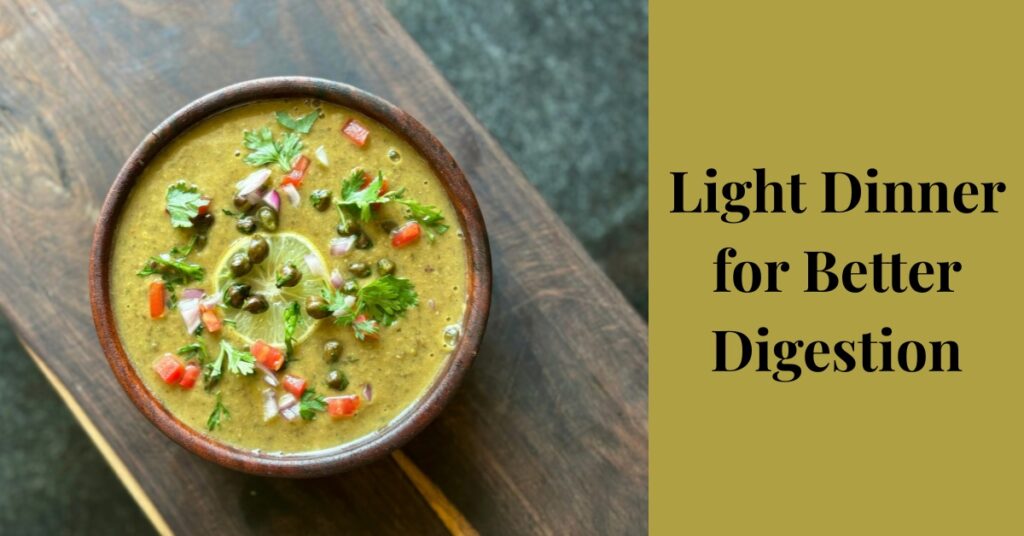
Eating a lighter dinner than your other meals can help you feel more comfortable during the night and support better digestion.
If you base your dinner on fiber-rich vegetables, add some whole grains, and keep your portion size smaller, you’ll likely find digestion and sleep come easier than after a heavy, late meal.
Brown rice with stir-fried vegetables is a good choice. The fiber in brown rice helps your gut bacteria, while vegetables like cabbage and mushrooms add more fiber and nutrients without making the meal too heavy.
A bowl with roasted sweet potato and chickpeas is a lighter, plant-based meal that still gives you plenty of fiber and protein.
Try a light vegetable soup with a small side of kimchi or sauerkraut. This way, you get both fiber and the benefits of fermented foods in one meal.
What are anti-inflammatory gut-healing recipes?
The term “anti-inflammatory” is often used casually in wellness content, but there is an actual, specific process behind it that is important to understand before using it in a recipe.
Foods rich in fiber and fermented ingredients support the production of short-chain fatty acids like butyrate, which have documented anti-inflammatory effects in the gut lining. Meals combining both categories genuinely deserve the “anti-inflammatory” label.
Turmeric and vegetable stir-fry: Try vegetables like cabbage, mushrooms, and bell peppers with a light turmeric seasoning. We explain the real anti-inflammatory benefits of turmeric, and an important note about the difference between cooking with turmeric and taking supplements, in our guide on turmeric warm water.
Kimchi or sauerkraut side: A small spoonful added to a grain bowl or alongside a main dish brings the fermented-food benefit directly, based on the Stanford research above.
Ginger and vegetable soup: Ginger’s documented anti-inflammatory properties, paired with a vegetable and legume base, make a comforting, evidence-aligned option. It is particularly useful during digestive discomfort, not just as a preventive habit.
What Are Gut-Healthy Meals for Picky Eaters?
Fermented and high-fiber foods are often seen as an acquired taste, which can be a barrier for many people. It’s better to address this challenge. Start with mild, familiar gut-healthy foods like plain yogurt, smooth nut butters, well-cooked vegetables, and small amounts of fermented foods mixed into dishes you already know. This makes it easier for hesitant eaters, both adults and kids, to stick with these changes. For smoothies, try blending yogurt with a little spinach and a sweet fruit like banana or mango. This covers stronger flavors while still providing probiotics and fiber.
Mild grain bowls made with rice or quinoa, plus familiar vegetables and a light dressing, add more fiber without strong or unfamiliar flavors.
Yogurt-based dips are another option. Mixing plain yogurt with herbs to use as a dip for vegetables brings in probiotics, but feels more like a regular snack than a special gut health food.
The Stanford research mentioned earlier found that the amount of fermented food you eat matters. Larger servings had stronger effects, but starting with a small, steady amount each day is a good way to begin. You don’t have to go all in right away.
What Are Gut-Healthy Meals for Weight Loss?
Meals that support gut health and help with weight management have more in common than many people think. This is mostly because fiber plays an important role in both.
Meals that are high in fiber and volume help support a healthy mix of gut bacteria and also help you feel full, making it easier to manage how many calories you eat. The same fiber that feeds your gut also helps you stay satisfied longer.
Lentil and vegetable soup is filling, high in fiber, and low in calories. You can enjoy a generous serving without taking in too many calories.
Chickpea salad with greens: Plant protein and fiber together support fullness, echoing the same substitution logic we cover in our guide to the best fruits for weight loss, where fiber-driven satiety is the core mechanism at work too.
A yogurt parfait with fruit is a satisfying snack or light meal. It combines probiotics, fiber, and natural sweetness, making it a better choice than more processed, less filling snacks.
How Do Snacks Fit into a Gut-Healthy Diet?
It’s easy to forget about snacks, but they can be a great way to add more fiber or probiotics to your day.
Try an apple with almond butter or a small yogurt parfait. Both are easy snacks that give you real fiber or probiotics, not just empty calories.
Apples: Apples have pectin, a soluble fiber that helps feed good gut bacteria. So when people say “just eat an apple,” it really does make a difference.
What Does a Full Day of Gut-Healthy Eating Look Like?
Putting it all together into a realistic day, rather than isolated meal ideas, makes this easier to follow.
Breakfast: Yogurt bowl with berries and chia seeds, or overnight oats with fruit and nuts.
Lunch: Quinoa and roasted vegetable bowl, or lentil and vegetable soup.
Snack: Apple with almond butter, or a small yogurt parfait.
Dinner: Brown rice with stir-fried vegetables, or a chickpea and sweet potato bowl.
Throughout the day: Include a small serving of fermented food (kimchi, sauerkraut, or kefir) in at least one meal. This is based on Stanford research showing this category’s outsized short-term impact.
What Does the Research Say, Overall?
Here is all the evidence that supports the points mentioned earlier, gathered in one place:
- A clinical trial from Stanford Medicine (36 adults over 10 weeks, published in Cell) found that eating a diet high in fermented foods increased gut microbiome diversity and lowered 19 inflammatory protein markers. In contrast, a high-fiber diet alone did not significantly increase diversity during the same period.
- Larger servings of fermented foods showed stronger effects on microbiome diversity in that same study, suggesting quantity matters, not just inclusion.
- Soluble fiber from foods such as oats and apples (which contain pectin) is known to feed beneficial gut bacteria and help them ferment fiber into short-chain fatty acids.
- When gut bacteria ferment fiber, they produce compounds like butyrate. These compounds have proven anti-inflammatory effects on the gut lining.
- High-fiber, high-volume meals support satiety through the same mechanisms linked to effective weight management in other fiber-rich foods.
This evidence-based overview shows that while fiber is important, new research suggests that fermented foods may deserve just as much, if not more, attention when planning for short-term gut health.
Sources for further reading:
Final Thoughts: Building Meals for a Healthier Gut
The best meal ideas for a healthy gut are not complicated recipes. Instead, they are simple meals with fiber-rich plants and fermented foods that you will want to make again on a regular weeknight, not just for a picture-perfect Sunday meal prep.
Here are the key points to remember:
- Fermented foods like yogurt, kefir, kimchi, and sauerkraut may boost microbiome diversity more quickly than fiber alone, according to clinical trial data.
- Try to include both fiber and fermented foods in your meals when you can, instead of focusing on just one.
- Simple swaps, like having an apple with almond butter or making a yogurt bowl, are more helpful than most people realize.
- If you are a picky eater, start with milder options like smoothies or familiar grain bowls instead of going straight to strong-flavored fermented foods.
- If you want to learn more about the reasons behind these tips, including topics like sleep, stress, plant diversity, and common gut health myths, our complete guide to improving gut health naturally explains everything in detail.
Begin by making just one meal a day using these ideas, and let it grow from there. This approach is much more sustainable than trying to change every meal all at once.
Sources
- Fermented-food diet increases microbiome diversity, decreases inflammatory proteins, study finds — Stanford Medicine
- Gut-microbiota-targeted diets modulate human immune status — Cell
- Dietary Fibre Modulates the Gut Microbiota — Nutrients (NIH/PMC)
- Short Chain Fatty Acids (SCFAs)-Mediated Gut Epithelial and Immune Regulation and Its Relevance for Inflammatory Bowel Diseases — Frontiers in Immunology (NIH/PMC)

Mujahid Lone runs HealthCoreTips as a self-taught health enthusiast, not a certified nutritionist or trainer. What he brings instead is rigor: every article starts with primary sources — WHO guidelines, Harvard Health, and peer-reviewed studies (BMJ, UK Biobank, and similar) — which are linked at the end of each post so you can check the evidence yourself. HealthCoreTips exists to translate that research into practical, jargon-free advice, without pretending to be a substitute for professional medical guidance.
Free Newsletter
Enjoyed this article?
Get practical guides on nutrition, fitness & daily healthy habits delivered to your inbox when new articles are published.
No spam, ever. Unsubscribe anytime.