
Table of Contents
Your gut is busier than most of your other organs. It contains trillions of bacteria, connects directly to your brain, and has a big impact on your mood, immunity, and energy. It’s also one of the most misunderstood topics in wellness, packed with “detox” claims that don’t stand up and “reset” programs that rely more on marketing than real science.
The best ways to improve gut health naturally are simpler and better supported by evidence than most wellness content suggests. This guide explains what real microbiome research supports, including an interesting study on how quickly your gut bacteria can change. It also answers the most common questions people ask, from “what are the signs of an unhealthy gut” to whether a 7-day gut reset actually works.
What Is the Gut Microbiome, and Why Does It Matter So Much?
Your gut is more than just a tube for digestion. It is home to a whole ecosystem that affects much more than what happens after you eat.
The gut microbiome is made up of trillions of bacteria, fungi, and other tiny organisms. They help break down food, make some vitamins, control inflammation, and even talk directly to your immune and nervous systems.
That’s why people talk about gut health when discussing mood, skin, immunity, and energy, not just digestion. The mix and variety of these microorganisms really do affect many parts of your body, so it makes sense to take advice about improving gut health seriously instead of seeing it as just another wellness trend.
What Are the Signs of an Unhealthy Gut?
This is a question many people ask about gut health, and it deserves a clear and honest answer.
Some common signs of gut imbalance are bloating, irregular bowel movements, fatigue, sudden food intolerances, and skin problems like unexplained breakouts. However, these symptoms can have many causes, so if they are severe or do not go away, it is important to see a doctor instead of just changing your diet.
Be cautious with this list, as it shows common associations but is not meant for diagnosis. If you have ongoing digestive discomfort, it makes sense to review your diet and lifestyle. But if your symptoms continue, it is important to see a doctor, since self-diagnosing from a blog is not a replacement for real medical advice.
What Foods Improve Gut Health?
Fiber plays the main role here, working through a clear and well-known process.
Fiber-rich foods feed helpful gut bacteria. These bacteria turn fiber into short-chain fatty acids like butyrate. These compounds give energy to the cells lining your colon and help lower inflammation in your digestive tract.
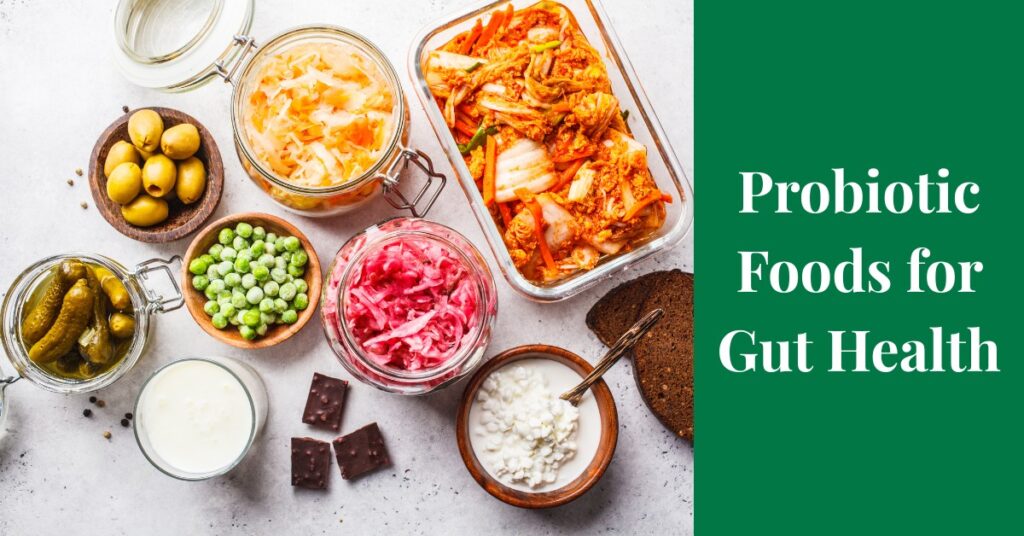
Fermented foods offer another benefit. Yogurt, kefir, kimchi, and sauerkraut bring live helpful bacteria straight into your gut. By eating a variety of fiber-rich plants and including fermented foods, you support gut health in two ways: you feed your existing bacteria and add new beneficial strains. For meal ideas that follow this approach, our guide to low-fat protein sources for vegetarians includes several options rich in both fiber and protein.
Can You Actually “Detox” Your Gut?

People search for this question all the time, and just like with other detox claims we’ve looked into, the real answer challenges the idea behind it.
You don’t need any special food, drink, or program to “detox” your gut. Your digestive system, liver, and kidneys already process and eliminate waste all the time, and your gut lining renews itself naturally.
We’ve explored this myth in detail in our guide about detox water, and the same reasoning applies here. What really supports your gut health isn’t a “detox” but the proven habits we’ve discussed: eating fiber, including fermented foods, staying hydrated, and being consistent. The word “detox” suggests your body needs help removing things it can’t handle, but that’s not how digestion works.
Is a “7-Day Gut Reset” a Real Thing?
This is actually one of the most common questions about gut health, and the real answer falls somewhere between a complete myth and exactly what is promised.
Research shows that changing your diet can noticeably shift your gut microbiome in as little as one day. This means your gut really does respond quickly to what you eat, but that is not the same as what most commercial “7-day reset” programs claim.
A major study published in Nature by researchers at Harvard and Duke had volunteers follow strict diets that were either all animal-based or all plant-based. They found that gut bacteria changed noticeably within just one day. This shows that your microbiome responds to diet faster than most people think. However, it does not prove that commercial “reset” programs, which often involve juice cleanses or restrictive eating for a week, create a lasting or truly “reset” microbiome. The main point is more practical: making steady changes to your diet over weeks and months leads to a healthier gut, while a one-week extreme plan only causes a short-term change, not a lasting transformation.
What Are the 4 R’s of Gut Healing?
You’ll see this framework often when searching for gut health, so it’s helpful to explain it clearly and point out where the evidence is strong and where it’s not.
The 4 R’s—Remove, Replace, Reinoculate, and Repair—come from functional and integrative medicine. This approach to gut health means removing foods or irritants that cause problems, replacing digestive support if needed, adding beneficial bacteria, and repairing the gut lining through diet.
This framework is a helpful way to organize your approach, but keep in mind that it comes from functional medicine and isn’t a single, clinically proven protocol. Some parts, like eating fiber and fermented foods to support good bacteria, have strong evidence, which we’ll discuss more below. Other parts, such as certain “gut repair” supplement routines, have less direct research behind them. Use the 4 R’s as a guide for building gut-health habits, not as a strict medical treatment plan.
What Are the Best Ways to Improve Gut Health Naturally?
This is where you’ll find real, evidence-based strategies for gut health, and they are simpler than most “gut healing” advice you see online.
The habits with the most research supporting real gut health improvement are eating more fiber, choosing a wide range of plant foods, regularly including fermented foods, managing stress, and making sleep a priority.
Each of these deserves its own explanation, since the mechanisms are genuinely different from each other.
How Do You Increase Good Bacteria in Your Gut Naturally?
Research shows that having a diverse diet matters more than focusing on any one so-called “superfood.”
The American Gut Project, a citizen-science study that analyzed over 10,000 stool samples, found that people who ate more than 30 different types of plants each week had much more diverse gut microbiomes than those who ate 10 or fewer. This was true whether they were vegan, vegetarian, or ate everything.
This is one of the most useful and practical findings in gut health research. The key is not just to eat more vegetables in general, but to focus on variety. Different plants feed different types of bacteria, so a varied diet helps build a stronger, more diverse microbiome. Herbs, spices, nuts, seeds, legumes, whole grains, fruits, and vegetables all count toward the 30-plant goal, which makes it easier to reach than you might think.
What Are the Worst Foods for Gut Health?
Eating a lot of processed foods and not enough different kinds of plants goes against the advice discussed earlier.
Research shows that eating lots of ultra-processed foods and not enough fiber or plant variety can lower the diversity of your gut microbiome. This is linked to several digestive and metabolic problems.
This doesn’t mean that eating processed food once in a while will ruin your gut health. The real issue is when your diet is mostly made up of low-fiber, low-diversity processed foods. Over time, this gives your good gut bacteria very little to feed on and can shift your microbiome in an unhealthy direction.
Do You Need Supplements to Improve Gut Health?
It’s important to give a clear and honest answer here because supplement marketing in this area can be very aggressive.
For most people who do not have a diagnosed condition, focusing on food first—like eating more fiber and fermented foods—has stronger and more consistent evidence than taking probiotic supplements. Probiotic products can differ a lot in strain, dose, and quality.
This does not mean probiotic supplements are useless. Some strains do have real evidence for certain conditions when used with medical guidance. However, for general gut health, research shows that diet is the main factor, not supplements. If you are thinking about taking a probiotic for a specific issue, it is better to talk to a doctor instead of deciding based on a product page.
How Does Stress Affect Gut Health?
The gut-brain connection is not just a wellness metaphor. It is a real and well-documented physiological pathway. The gut and brain communicate directly through the vagus nerve and shared signaling molecules. This system, called the gut-brain axis, means that chronic stress can disrupt digestion, and digestive imbalance can also affect your mood.
This two-way relationship is one reason why stress management is important when talking about gut health. If stress is a big factor for you, the same habits that support overall wellbeing—like regular sleep, movement, and basic stress management—also help your gut. We discuss these habits in more detail in our guide to healthy morning routines that boost energy.
Does Sleep Really Affect Your Gut?
Yes, and this relationship goes both ways, much like the connection with stress mentioned earlier.
Poor sleep is linked to changes in the gut microbiome, and gut health can also affect how well you sleep. This makes sleep an important, though often overlooked, part of digestive wellness.
Researchers are still studying this topic, but the link between sleep and gut health shows up often enough to take seriously. Getting at least seven hours of regular sleep helps your gut, just as it helps with many other aspects of health discussed here.
How Do You Fix Gut Health Fast?
This is a common question, but it’s important to set the record straight. You can’t make big changes to your gut health in just a day or two. Real improvements in your microbiome come from weeks of consistent habits. However, as the research above shows, your gut can start to respond to dietary changes sooner than many people expect.
If you suddenly feel digestive discomfort, it’s best to drink plenty of water, eat plain foods, and let your body recover instead of searching for a quick solution. Our guide to warm water with lemon and ginger is a gentle, safe way to help your digestion in the short term. Just keep in mind, it won’t change your microbiome right away.
What Does a Realistic Gut-Health Routine Look Like?
Research shows that being consistent matters more than going all out.
A realistic routine means eating many types of plant foods throughout the week, having fermented foods regularly, staying hydrated, getting enough sleep, and managing stress. The key is to keep these habits going for months, not just one intense week.
Each day, try to eat a mix of vegetables, fruits, whole grains, and include a fermented food such as yogurt.
Each week, keep an eye on the variety of plants you eat. Different vegetables, herbs, nuts, and grains all help you reach the 30-plant goal mentioned earlier.
Keep making sleep and stress management a priority, because both have a real impact on gut health as explained earlier.
What Does the Research Say, Overall?
Here’s the evidence behind everything above, in one place:
- The American Gut Project (10,000+ participants) found people eating over 30 different plant types weekly had significantly more diverse gut microbiomes than those eating 10 or fewer, regardless of diet type.
- A landmark Nature study found gut microbiome composition changed measurably within a single day of extreme dietary shifts, confirming the microbiome’s responsiveness to diet. However, this does not validate commercial “reset” programs as equivalent interventions.
- Fiber fermentation by gut bacteria produces short-chain fatty acids like butyrate, which fuel colon cells and help reduce inflammation.
- There is no scientific basis for needing a special “detox” to cleanse the gut. The liver, kidneys, and digestive system handle this continuously without extra intervention.
- The gut and brain communicate through the vagus nerve and shared signaling pathways (the gut-brain axis), meaning chronic stress can measurably affect digestion.
- Poor sleep is associated with disrupted gut microbiome composition, an area of active ongoing research.
This is a genuinely evidence-based picture: real, meaningful levers like plant diversity, fiber, fermented foods, sleep, and stress management rather than the “detox” and “fast fix” framing that dominates search results on this topic.
Sources for further reading:
Final Thoughts: What Are the Best Ways to Improve Gut Health Naturally?
The most effective ways to improve gut health naturally are not dramatic, and you do not need a “reset” or a “detox.” Instead, focus on consistent, proven habits like eating a wide variety of plants, regularly including fermented foods, managing stress, getting good sleep, and staying hydrated.
Here is a summary of what really matters:
- Eating a diverse range of plants (try for 30 or more types each week) is supported by stronger evidence than relying on any single “superfood.”
- Your gut can respond quickly to changes in your diet, but real, lasting improvement comes from weeks of consistent habits, not just one week of a “reset.”
- “Detoxing” your gut is not actually necessary. Your body already takes care of this process all the time.
- The 4 R’s framework can help organize your approach, but it is not a clinically standardized protocol.
- Stress and sleep truly influence gut health, and this connection is supported by well-documented scientific evidence.
You do not need to buy expensive supplements or follow a strict week-long program. Instead, focus on adding more variety to your grocery list, picking up a jar of yogurt, and sticking with these habits. It may not lead to dramatic before-and-after photos, but it truly works.
Related Gut Health Guides
This guide covers the full picture of gut health. For more specific, practical angles, see:
Sources
- Diet rapidly and reproducibly alters the human gut microbiome — Nature
- American Gut: An Open Platform for Citizen Science Microbiome Research — mSystems
- The Vagus Nerve at the Interface of the Microbiota-Gut-Brain Axis — Frontiers in Neuroscience (NIH/PMC)
- Short Chain Fatty Acids (SCFAs)-Mediated Gut Epithelial and Immune Regulation and Its Relevance for Inflammatory Bowel Diseases — Frontiers in Immunology (NIH/PMC)

Mujahid Lone runs HealthCoreTips as a self-taught health enthusiast, not a certified nutritionist or trainer. What he brings instead is rigor: every article starts with primary sources — WHO guidelines, Harvard Health, and peer-reviewed studies (BMJ, UK Biobank, and similar) — which are linked at the end of each post so you can check the evidence yourself. HealthCoreTips exists to translate that research into practical, jargon-free advice, without pretending to be a substitute for professional medical guidance.
Free Newsletter
Enjoyed this article?
Get practical guides on nutrition, fitness & daily healthy habits delivered to your inbox when new articles are published.
No spam, ever. Unsubscribe anytime.