
Table of Contents
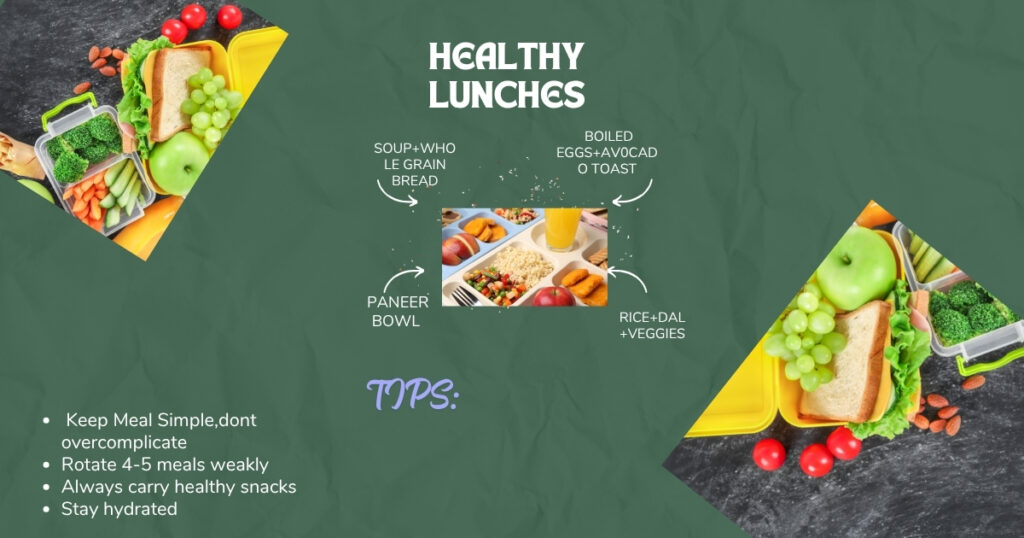
Lunch plans on Monday usually start out ambitious. By Wednesday, though, you might find yourself eating a plain salad at your desk or scrolling through a food delivery app before you even realize you’ve given up.
The truth is, bringing easy and healthy lunches to work isn’t hard once you have a good list and a simple system. Research on cost, nutrition, and time shows it’s really worth making this a habit.
This guide shares 15 practical lunch ideas, explains what real data says about saving money and eating better, and offers a meal-prep system that won’t turn your Sunday into a four-hour cooking session.
Why Bring Your Own Lunch to Work Instead of Eating Out?
This isn’t just another vague claim that homemade food is healthier. There is some truly striking nutrition survey data to back it up.
Studies of U.S. national nutrition surveys show that restaurant and fast-food meals usually have much more sodium, calories, and saturated fat than meals made at home.
A University of Illinois study looked at eight years of NHANES data from over 18,000 adults. It found that eating at a full-service restaurant meant taking in about 187 to 205 more calories each day, along with more saturated fat, cholesterol, and sodium, compared to eating food made at home. Another USDA Economic Research Service study using the same survey data found that restaurant food has about 2,151 mg of sodium per 1,000 calories, while home-cooked food has about 1,369 mg per 1,000 calories. That’s a difference of more than 50%. This doesn’t mean restaurant food is always “bad.” It just shows that eating out regularly can quietly add up in ways that are easy to overlook.
What Makes a Lunch Actually Healthy?
Before you start brainstorming ideas, it’s important to know what you’re aiming for. Otherwise, calling something “healthy” doesn’t really mean much.
A truly balanced lunch includes protein, fiber, healthy fats, and complex carbohydrates. This mix helps keep your energy steady and prevents that mid-afternoon slump.
Protein and fiber play the biggest roles here. Both slow digestion and help you feel full longer, which we explain in detail in our guide to low-fat protein sources for vegetarians. If you skip protein at lunch, you’ll probably find yourself heading to the vending machine by 3 p.m. This isn’t about willpower—it’s just how your blood sugar works.
How Much Money Can You Actually Save Packing Lunch?
This is where bringing easy, healthy lunches to work becomes truly appealing, not just better for your health.
Eating out often can get expensive over time, but even switching to packed lunches a few days a week can lead to real savings throughout the year.
According to the Bureau of Labor Statistics’ Consumer Expenditure Survey, the average U.S. household spent about $3,945 a year on food away from home in 2024. USDA Economic Research Service data show that the share of Americans’ daily calories coming from food away from home rose from about 18% in the late 1970s to roughly 34% by the mid-2000s. This trend has kept rising with inflation. Making lunch at home with pantry staples and simple proteins usually costs much less than eating out. The exact savings depend on what you compare, but every cost analysis points in the same direction. Even packing lunch just three days a week, instead of all five, can make a noticeable difference over a year.
What Are 15 Easy Healthy Lunches to Bring to Work?
Here’s the real list: quick to make, easy to pack, and based on the protein-plus-fiber principle mentioned earlier.
1. Grilled Chicken Salad Bowl
Grilled chicken over mixed greens with olive oil and lemon dressing has one of the best protein-to-calorie ratios here. It also travels well if you keep the dressing separate until lunchtime.
2. Whole Wheat Veggie Wrap
A whole wheat tortilla with hummus and fresh vegetables takes about five minutes to make and doesn’t need any cooking. It’s the fastest choice for a rushed morning.
3. Rice, Dal, and Vegetables
Brown rice with lentil dal and seasonal vegetables is filling, high in fiber, and budget-friendly. It reheats well and stays fresh longer than most lunches.
4. Boiled Eggs and Avocado Toast
Two boiled eggs with whole-grain toast and avocado give you a good mix of protein and healthy fats. You can prepare both the night before.
5. Quinoa, Chickpea, and Vegetable Salad
Quinoa is one of the few plant foods that’s a complete protein. When you add chickpeas and vegetables, this salad stays fresh in the fridge for two to three days.
6. Healthy Sandwich, Rebuilt
Use whole grain bread with lean protein and vegetables. Swap mayonnaise for a yogurt-based spread to cut down on saturated fat without losing flavor or texture.
7. Last Night’s Dinner
Packing leftovers from a healthy dinner is often the quickest lunch option and helps reduce food waste.
8. Vegetable Stir-Fry
Mixed vegetables with light soy sauce and an optional protein like tofu or chicken make a low-calorie, filling lunch.
9. Chickpea Salad
A chickpea salad with vegetables and light vinaigrette is an easy vegetarian protein option you can make with pantry staples.
10. Paneer Bowl
Paneer with vegetables and a light spice mix is a satisfying, high-protein choice, especially if you want something filling without meat.
11. Soup with Whole Grain Bread
Vegetable or lentil soup with whole grain bread is a lighter meal that still fills you up. It’s a good choice when you want something easy to digest.
12. Whole Wheat Pasta with Vegetables and Lean Protein
Using whole wheat pasta instead of regular pasta adds more fiber. Including vegetables and lean protein keeps the meal balanced, not just carb-heavy.
13. Roti and Sabzi
Whole wheat flatbread with cooked vegetables is a simple, affordable, and balanced lunch that travels well and reheats easily.
14. Fruit and Yogurt Bowl
If you want something lighter, try yogurt with fresh fruit. It gives you protein, natural sweetness, and probiotics, and you can make it in under two minutes.
15. Protein Meal Prep Box
A pre-portioned box with lean protein, a complex carb like brown rice or quinoa, and a vegetable is the most structured option here. It’s ideal if you’re tracking macros or working toward a fitness goal.
How Do You Meal Prep Healthy Lunches for the Week?
Knowing the recipes is one thing. Having them ready on a Tuesday morning is the real challenge, and it really depends on having a system instead of just relying on willpower.
Cooking enough food for two or three days at once, using airtight containers, and prepping vegetables the night before are three habits that make this approach truly sustainable.
Cook in batches: Make a large amount of protein, like grilled chicken, boiled eggs, or cooked lentils, and divide it among several lunches. This saves much more time than cooking every day.
Invest in good containers: Airtight, microwave-safe containers help keep your food fresh longer and make reheating easy instead of messy.
Prep the night before, not in the morning: If you chop vegetables or portion out a salad the night before, you avoid the biggest obstacle to packing lunch in the morning.
Keep backup options on hand: Having quick choices like fruit, yogurt, or nuts ready for days when your main plan doesn’t work helps you avoid going back to takeout.
Is It Safe to Bring Lunch to Work? What Are the Food Safety Basics?
Most “healthy lunch” articles overlook this, but it really matters if you pack perishable food several hours before eating.
The FDA says you should not leave perishable food at room temperature for more than two hours, or just one hour if it is over 90°F. Keep refrigerated food below 40°F until you are ready to eat.
In practice, use an insulated lunch bag with an ice pack if your workplace does not have good refrigeration. If there is a fridge, put your lunch in it as soon as you arrive. This is especially important for foods with dairy, eggs, or meat, since they spoil faster than grain- or vegetable-based dishes at room temperature.
What Mistakes Do People Make with Work Lunches?
A few common habits can easily throw off even the most well-planned lunch routine.
Some of the most frequent mistakes include skipping protein, eating too many refined carbs, not preparing ahead of time, and thinking you can eat as much “healthy” food as you want.
If you skip protein, you’ll probably feel hungry and start snacking long before your next meal.
Eating too many refined carbs can cause the same energy crash that a healthy lunch is meant to avoid.
Not preparing your lunch ahead of time is the main reason people end up ordering takeout when things get busy.
Eating too much “healthy” food can still add up in calories. It’s important to watch your portions, no matter what you’re eating.
What Does the Research Say, overall?
All the evidence supporting the points above is collected here in one place.
- A University of Illinois study using NHANES data from over 18,000 adults found that eating at full-service restaurants adds about 187 to 205 more calories per day compared to eating meals made at home.
- According to the USDA Economic Research Service, restaurant food has about 2,151 mg of sodium per 1,000 calories, while home-cooked food has around 1,369 mg per 1,000 calories.
- Other NHANES research found that on days people ate fast food, they consumed an extra 194 calories, 3.48 grams of saturated fat, and 296 mg of sodium. On days they ate at full-service restaurants, they took in 205 more calories, 2.52 grams of saturated fat, and 451 mg of sodium.
- USDA Economic Research Service data show that the share of Americans’ daily calories from food away from home rose from about 18% in the late 1970s to roughly 34% by the mid-2000s.
- According to the BLS Consumer Expenditure Survey, the average American household spends about $3,945 a year on food away from home.
- The FDA advises throwing out perishable food if it has been left out of the refrigerator for more than two hours, or for more than one hour if the temperature is above 90°F.
This pattern has been well documented and consistently repeated in several national nutrition surveys. It is not just a single bold claim from a listicle.
Sources for further reading:
- USDA Economic Research Service – Food Consumption and Nutrient Intakes
- Consumer Expenditures in 2024 \u{2014} U.S. Bureau of Labor Statistics
- Linking Federal Food Intake Surveys Provides a More Accurate Look at Eating Out Trends \u{2014} USDA Economic Research Service
- FDA – Food Safety While Eating Out or Packing Lunch
Final Thoughts: Are Easy Healthy Lunches to Bring to Work Worth the Effort?
Yes, and research actually makes a stronger case than most people think. This is not just about eating “cleaner.” You get less sodium, fewer extra calories, save real money, and build a habit that helps you keep your energy up all afternoon. We talk more about this in our guide to healthy morning habits that boost energy, since a good morning routine and a solid lunch plan often work well together.
Here’s what really matters:
- Make sure every lunch has a main protein source, not just a small amount on the side.
- Cook enough for two or three days at a time instead of making lunch every single day.
- Have four or five favorite meals you can rotate, so you do not have to come up with something new every day.
- Pay attention to basic food safety, especially when you use dairy, eggs, or meat.
- If packing lunch every day feels overwhelming, start with just three days a week.
You do not need a picture-perfect meal prep setup. What matters is having a few meals you will actually make again and a container that seals well. Everything else will fall into place.
Sources
- Study: Restaurant meals can be as bad for your waistline as fast food is — University of Illinois News Bureau
- Sodium Intake in the United States: Trends and Nutrition Facts — USDA Economic Research Service
- Are You Storing Food Safely? — FDA

Mujahid Lone runs HealthCoreTips as a self-taught health enthusiast, not a certified nutritionist or trainer. What he brings instead is rigor: every article starts with primary sources — WHO guidelines, Harvard Health, and peer-reviewed studies (BMJ, UK Biobank, and similar) — which are linked at the end of each post so you can check the evidence yourself. HealthCoreTips exists to translate that research into practical, jargon-free advice, without pretending to be a substitute for professional medical guidance.
Free Newsletter
Enjoyed this article?
Get practical guides on nutrition, fitness & daily healthy habits delivered to your inbox when new articles are published.
No spam, ever. Unsubscribe anytime.