

Ever wake up feeling tired, unmotivated, and already behind?
What if just 5 simple morning habits could completely reset your energy, sharpen your focus, and make your entire day feel effortless?
Your mornings decide your success.
Start your day with the right habits, and you’ll unlock limitless energy, laser focus, and unstoppable productivity—all before noon.
Most people ruin their day in the first 30 minutes after waking up…
But a few powerful morning habits can instantly boost your energy and productivity—without coffee or stress.
Table of Contents
🌿 Why a Healthy Morning Routine Matters
A good morning routine helps your body and mind transition smoothly from rest to activity.
Benefits of a healthy morning routine include:
- Better focus and concentration
- Higher energy throughout the day
- Reduced stress and anxiety
- Improved digestion and metabolism
- Better time management
Small morning habits can create long-term health benefits.
1.Wake Up at a Consistent Time (Most Important Habit)

Waking up at the same time every day is the foundation of a healthy morning routine. It helps regulate your body’s internal clock (circadian rhythm) and improves overall well-being.
Benefits of Waking Up at a Consistent Time
1. Improves Sleep Quality
When you wake up at the same time daily, your body naturally adjusts your sleep cycle, making it easier to fall asleep and wake up refreshed.
2. Boosts Energy Levels
A consistent wake-up schedule reduces grogginess and helps you feel more energized throughout the day.
3. Enhances Mental Clarity
Your brain functions better when your sleep pattern is stable, improving focus and decision-making.
4. Builds Discipline
Consistency builds strong habits, which leads to long-term success in all areas of life.
5. Reduces Stress
A predictable routine creates a sense of control and reduces morning anxiety.
💧 2. Drink Water After Waking Up

Drinking water right after waking up is one of the easiest habits to improve your health and productivity. It takes less than a minute but provides long-lasting benefits.
Benefits of Drinking Water After Waking Up
1. Rehydrates Your Body
After hours of sleep without water, your body is naturally dehydrated. Drinking water restores fluid balance and helps your organs function properly.
2. Boosts Metabolism
Morning hydration helps kickstart your metabolism, which can improve calorie burning and energy production throughout the day.
3. Improves Brain Function
Even mild dehydration can affect your focus, memory, and mood. Drinking water in the morning helps improve mental clarity and concentration.
4. Flushes Out Toxins
Water helps your body remove toxins and waste products, supporting kidney function and overall detoxification.
5. Supports Digestion
Drinking water before breakfast prepares your digestive system and improves nutrient absorption.
6. Increases Energy Levels
Instead of reaching for caffeine immediately, water naturally wakes up your body and boosts energy.
7. Promotes Healthy Skin
Proper hydration improves skin elasticity and helps maintain a healthy glow.
How Much Water Should You Drink in the Morning?
A simple guideline:
- Start with 1–2 glasses (250–500 ml) after waking up
- Drink slowly, not all at once
You can adjust based on your body needs.
Best Ways to Drink Water in the Morning
1. Plain Water
The simplest and most effective option.
2. Warm Lemon Water
- Boosts digestion
- Adds vitamin C
- Supports immunity
Add ingredients like:
3. Infused Water
- Mint
- Cucumber
- Ginger
Tips to Make This a Daily Habit
- Keep a water bottle near your bed
- Drink water before checking your phone
- Set a morning reminder
- Pair it with another habit (like brushing teeth)
Common Mistakes to Avoid
- Drinking too much water at once
- Skipping water and going straight to coffee
- Using sugary drinks instead of water
Sample Morning Routine with Hydration
Here’s a simple routine:
- Wake up at the same time
- Drink 1–2 glasses of water
- Stretch or exercise
- Get sunlight
- Eat a healthy breakfast
- Plan your day
🧘 3. Stretch or Move Your Body

Why Morning Movement Matters
Your body slows down during sleep. Muscles tighten, and blood circulation reduces.
Morning movement helps to:
- Activate your muscles
- Improve blood flow
- Boost energy levels
- Enhance mental clarity
👉 You can also read our guide on foods that boost your immunity to support your health along with daily movement.
Adding even 5–10 minutes of movement to your morning routine can significantly improve your physical and mental health.
Benefits of Stretching or Moving Your Body in the Morning
1. Boosts Energy Levels
Movement increases blood circulation and oxygen flow, helping you feel more awake and energized without relying on caffeine.
2. Reduces Muscle Stiffness
After sleeping, your muscles can feel tight. Stretching loosens them and improves flexibility.
3. Improves Blood Circulation
Better circulation ensures that oxygen and nutrients reach your muscles and brain efficiently.
4. Enhances Focus and Mental Clarity
Physical activity stimulates your brain, helping you think more clearly and stay focused throughout the day.
5. Supports Weight Management
Morning exercise helps boost metabolism, which can support fat burning and overall fitness.
6. Reduces Stress and Anxiety
Stretching and movement release endorphins, also known as “feel-good hormones,” improving your mood.
7. Improves Posture
Regular stretching helps correct posture and reduce back or neck pain.
Best Morning Exercises You Can Do
1. Simple Stretching Routine
- Neck rolls
- Shoulder stretches
- Arm stretches
- Hamstring stretch
2. Yoga
- Sun Salutation
- Child’s Pose
- Downward Dog
3. Light Cardio
- Walking
- Jumping jacks
- Skipping
4. Bodyweight Exercises
- Push-ups
- Squats
- Plank
How Long Should You Exercise in the Morning?
You don’t need a long workout.
- Beginners: 5–10 minutes
- Intermediate: 10–20 minutes
- Advanced: 20–30 minutes
Consistency is more important than duration.
Tips to Make Morning Movement a Habit
- Start small (just 5 minutes)
- Lay out workout clothes the night before
- Combine with music or podcasts
- Do it right after waking up
Common Mistakes to Avoid
- Skipping warm-up
- Over-exercising early morning
- Being inconsistent
- Ignoring your body’s limits
Sample Morning Routine with Movement
- Wake up at a consistent time
- Drink water
- Stretch or exercise
- Get sunlight
- Eat a healthy breakfast
- Plan your day
🧠 4. Practice Mindfulness or Deep Breathing
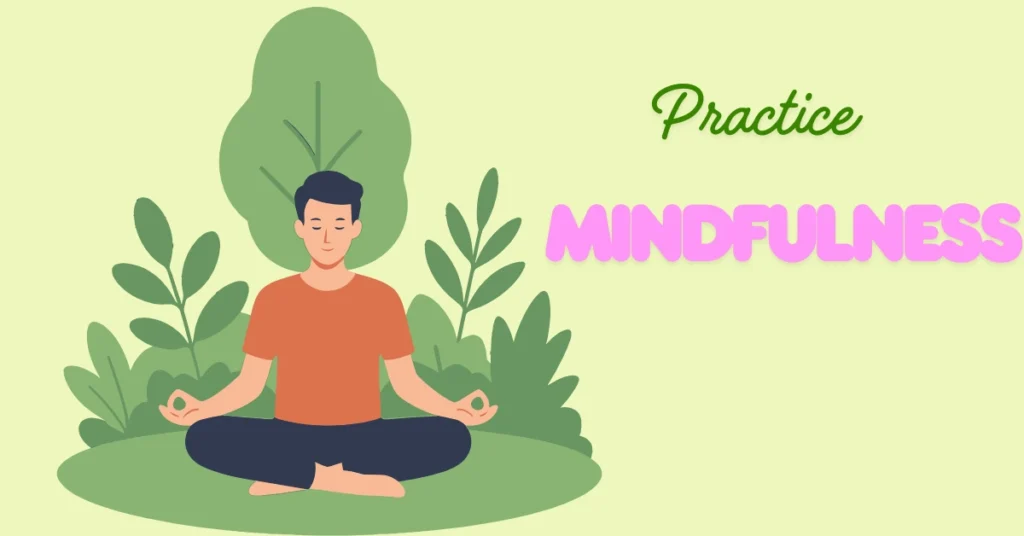
Why Mindfulness Matters in the Morning
Mindfulness means being fully present in the moment without distractions.
Practicing mindfulness in the morning helps you:
- Stay calm and focused
- Reduce negative thoughts
- Improve emotional balance
- Increase productivity
👉 You can also read our guide on foods that boost your immunity to support your mental and physical health together.
Practicing mindfulness or deep breathing in the morning is a simple yet powerful habit that can transform your entire day.
You don’t need special equipment—just a quiet space and a few minutes.
Benefits of Mindfulness or Deep Breathing in the Morning
1. Reduces Stress and Anxiety
Deep breathing activates your body’s relaxation response, lowering stress hormones and calming your mind.
2. Improves Focus and Concentration
Mindfulness clears mental clutter, helping you stay focused and productive throughout the day.
3. Enhances Emotional Control
You become more aware of your thoughts and emotions, allowing you to respond calmly instead of reacting impulsively.
4. Boosts Mental Clarity
A calm mind makes it easier to make decisions and think clearly.
5. Increases Energy Naturally
Deep breathing increases oxygen supply to the brain, helping you feel more awake and alert.
6. Supports Better Breathing Habits
Regular practice improves lung capacity and breathing efficiency.
7. Promotes Overall Well-Being
Mindfulness improves both mental and physical health over time.
Simple Deep Breathing Technique (Beginner Friendly)
Try this easy method:
4-4-4 Breathing Technique
- Inhale through your nose for 4 seconds
- Hold your breath for 4 seconds
- Exhale slowly through your mouth for 4 seconds
Repeat for 5–10 minutes.
Easy Mindfulness Practices
1. Silent Sitting
Sit quietly and focus on your breath.
2. Gratitude Practice
Think of 3 things you’re grateful for.
3. Body Awareness
Notice how your body feels without judgment.
How Long Should You Practice?
- Beginners: 3–5 minutes
- Intermediate: 5–10 minutes
- Advanced: 10–20 minutes
Consistency matters more than duration.
Tips to Build This Habit
- Practice right after waking up
- Choose a quiet space
- Avoid phone distractions
- Combine with stretching or journaling
Common Mistakes to Avoid
- Expecting instant results
- Overthinking the process
- Skipping practice on busy days
- Forcing concentration
Sample Morning Routine with Mindfulness
- Wake up at a consistent time
- Drink water
- Stretch or exercise
- Practice mindfulness or breathing
- Get sunlight
- Eat a healthy breakfast
- Plan your day
🍽 5. Eat a Healthy Breakfast

Why Breakfast Is Important
Breakfast literally means “breaking the fast.” After 6–8 hours of sleep, your body needs nutrients to restart energy production.
Skipping breakfast can lead to:
- Low energy
- Poor concentration
- Increased cravings
- Slower metabolism
Eating a balanced breakfast is one of the easiest ways to improve your energy, mood, and productivity.
Benefits of Eating a Healthy Breakfast
1. Boosts Energy Levels
A nutritious breakfast provides your body with fuel, helping you feel active and energized throughout the morning.
2. Improves Focus and Concentration
Your brain needs glucose to function. A healthy breakfast improves memory, attention, and mental performance.
3. Supports Metabolism
Eating in the morning kickstarts your metabolism, helping your body burn calories more efficiently.
4. Reduces Unhealthy Cravings
Skipping breakfast can lead to overeating later in the day. A balanced meal keeps you full and satisfied.
5. Provides Essential Nutrients
Breakfast helps you meet your daily intake of:
- Vitamins
- Minerals
- Fiber
- Protein
6. Helps Maintain Healthy Weight
People who eat breakfast regularly are more likely to maintain a healthy weight.
7. Improves Mood
Low blood sugar can cause irritability. Eating breakfast stabilizes mood and reduces stress.
What Makes a Healthy Breakfast?
A balanced breakfast should include:
1. Protein
- Eggs
- Yogurt
- Nuts
2. Healthy Carbohydrates
- Oats
- Whole grains
- Fruits
3. Healthy Fats
- Nuts
- Seeds
- Avocado
Healthy Breakfast Ideas
1. Oatmeal with Fruits and Nuts
Rich in fiber and energy.
2. Eggs with Whole Grain Toast
High in protein and keeps you full longer.
3. Smoothie Bowl
Blend fruits, yogurt, and seeds.
4. Yogurt with Honey and Seeds
Supports gut health.
Foods to Avoid in Breakfast
- Sugary cereals
- Processed foods
- Excess caffeine
- Fried foods
Tips to Build a Healthy Breakfast Habit
- Prepare meals the night before
- Keep simple ingredients ready
- Avoid skipping meals
- Eat within 1–2 hours of waking
Simple Morning Routine with Breakfast
- Wake up at a consistent time
- Drink water
- Stretch or exercise
- Practice mindfulness
- Eat a healthy breakfast
- Plan your day
6❌ Common Morning Mistakes to Avoid
1. Hitting the Snooze Button Repeatedly
Why It’s a Problem
- Disrupts your sleep cycle
- Makes you feel more tired
- Reduces mental clarity
What to Do Instead
- Wake up at the first alarm
- Keep your alarm away from your bed
2. Checking Your Phone Immediately
Why It’s a Problem
- Increases stress
- Distracts your mind
- Reduces focus
Better Habit
Start your day without screens for at least 20–30 minutes.
3. Skipping Breakfast
Why It’s a Problem
- Low energy levels
- Poor concentration
- Increased cravings later
Fix
Eat a simple, healthy breakfast like fruits, oats, or eggs.
4. Not Drinking Water
Why It’s a Problem
- Dehydration
- Low energy
- Reduced brain function
Fix
Drink 1–2 glasses of water immediately after waking up.
5. Lack of Physical Movement
Why It’s a Problem
- Stiff muscles
- Low energy
- Poor circulation
Fix
Do at least 5–10 minutes of stretching or exercise.
6. Starting the Day Without a Plan
Why It’s a Problem
- Wasted time
- Lack of direction
- Reduced productivity
Fix
Write down your top 3 priorities for the day.
7. Rushing Your Morning
Why It’s a Problem
- Increases stress
- Leads to mistakes
- Affects mood
Fix
Wake up earlier and give yourself enough time.
8. Negative Thinking
Why It’s a Problem
- Reduces motivation
- Affects mental health
- Lowers productivity
Fix
Practice gratitude or positive affirmations.
9. Overloading Your Morning Routine
Why It’s a Problem
- Leads to burnout
- Hard to stay consistent
Fix
Keep your routine simple and realistic.
10. Inconsistency
Why It’s a Problem
- No long-term results
- Hard to build habits
Fix
Stick to a routine daily, even if it’s simple.
How to Fix Your Morning Routine
Follow these simple steps:
- Wake up at the same time daily
- Drink water
- Move your body
- Avoid phone distractions
- Eat a healthy breakfast
- Plan your day
Sample Healthy Morning Routine
- Wake up early
- Drink water
- Stretch or exercise
- Practice mindfulness
- Eat a healthy breakfast
- Plan your day
7❓ Frequently Asked Questions (FAQs)
Below are some common questions people ask about creating a healthy morning routine for a productive day
What is a healthy morning routine for a productive day?
A healthy morning routine for a productive day includes waking up at a consistent time, drinking water, light movement, mindfulness, a healthy breakfast, planning the day, and avoiding early phone use.
How long should a morning routine be?
A morning routine doesn’t need to be long. Even 20–30 minutes is enough to build a healthy morning routine for a productive day.
Is a morning routine important for mental health?
Yes. A healthy morning routine helps reduce stress, improve focus, and create a positive mindset, which supports better mental health.
Can I follow a morning routine if I’m very busy?
Absolutely. You can start with just 2–3 simple habits and gradually build a healthy morning routine for a productive day that fits your schedule.
Should I follow the same routine every day?
Consistency is important, but flexibility is okay. Try to keep the core habits the same while adjusting based on your lifestyle.
👉 These FAQs help clarify how a healthy morning routine for a productive day can be simple, flexible, and effective for anyone.