15 Foods That Boost Your Immunity Naturally: What the Research Actually Supports

Most lists of immunity-boosting foods make a simple promise: eat these foods, and you will get sick less often. But the real connection between what you eat and your immune system is more specific and actually more interesting than that broad claim.

Foods that help your immune system do so in clear ways. Some contain vitamins that support white blood cells, others have minerals that can help you recover faster, and many offer fiber that feeds the gut bacteria that play a big role in your immune health. In this guide, you will find 15 foods explained honestly—what is truly backed by science, and where the evidence is not as strong as the marketing claims.

Why Does Nutrition Matter for Immunity?

Before we get to the list, it helps to understand the real biological connection, not just the general idea of “eat healthy, feel healthy.”

Immune cells need certain nutrients like vitamin C, zinc, vitamin D, and others to work well. If your diet is missing these nutrients for a long time, your immune response can be noticeably weaker.

The gut is more important for immunity than many people think. A peer-reviewed review on immune-microbiome interactions found that about 70 to 80 percent of the body’s immune cells are in gut-associated tissue. This means the gut microbiome is a key part of immune regulation, not just something related to digestion. That’s why some foods on this list, like yogurt and fiber-rich vegetables, help your immune system by supporting gut health instead of just providing one specific “immune vitamin.”

What Is the Best Immunity-Boosting Foods, Backed by Real Research?

Here are 15 foods that have real evidence supporting their role in immune health. We’ll also point out where the science is stronger or weaker for each one.

1. Citrus Fruits

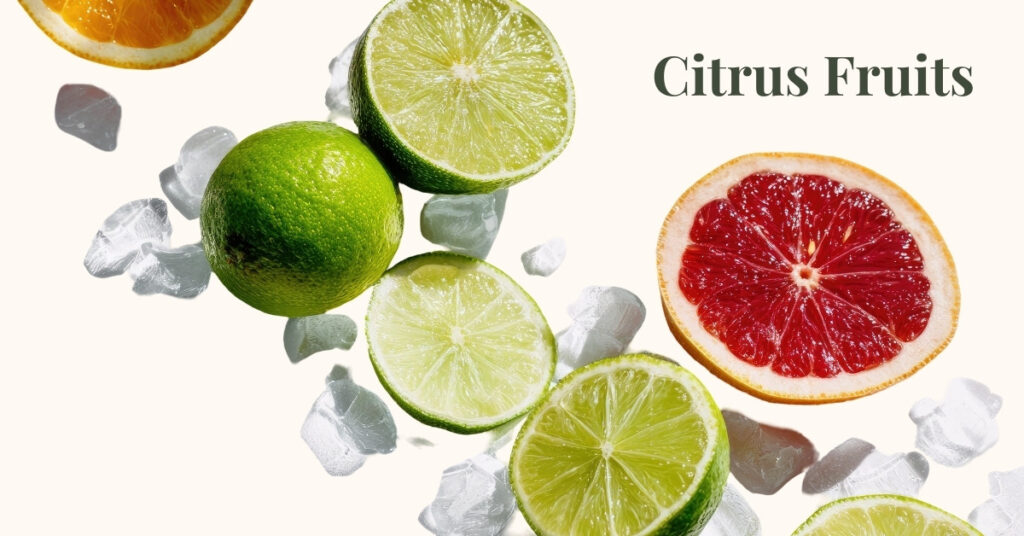
Citrus fruits like lime and grapefruit high in vitamin C that help boost immunity

Citrus fruits are often mentioned as foods that boost immunity, and the link to vitamin C is real. However, there is an important detail to keep in mind.

Vitamin C helps your body make and use white blood cells. However, research shows it mostly shortens how long a cold lasts and makes symptoms milder, rather than preventing colds in most people.

A large Cochrane review of over 11,000 people found that taking vitamin C regularly did not lower the number of colds for most people. However, it did make colds shorter by 8% in adults and 14% in children. It also cut the number of colds by about half for people under intense physical stress, such as marathon runners. We explain this research in more detail in our guide to mandarin oranges. Oranges, lemons, grapefruits, and mandarins all count. It’s better to eat the whole fruit instead of drinking juice, since you get more fiber.

2. Garlic

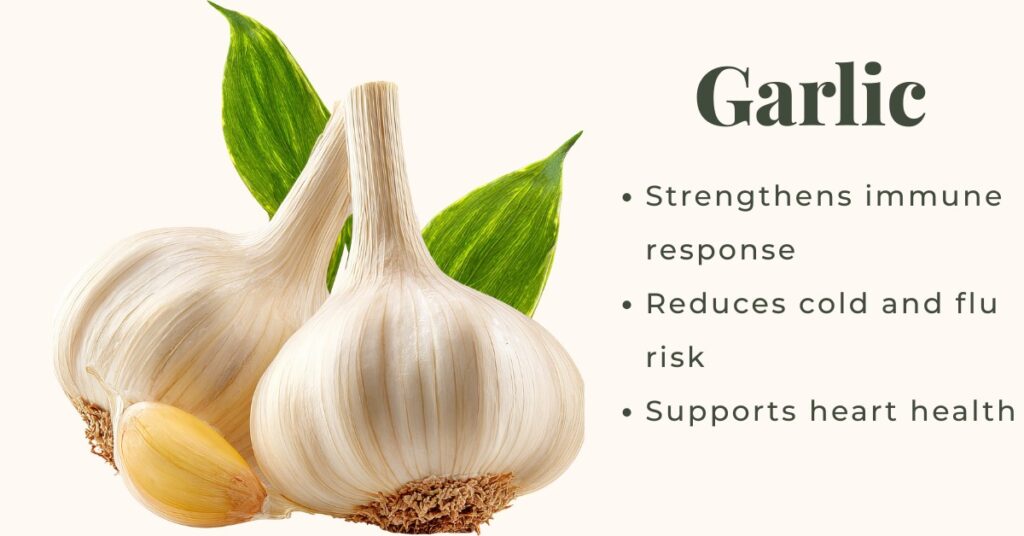
Garlic – a natural immunity boosting food that strengthens immune system and supports heart health

Garlic is often called a “natural antibiotic” in folk traditions, but scientific research paints a more cautious picture.

Garlic has allicin, a compound that shows antimicrobial effects in lab studies. However, strong clinical proof that eating garlic prevents infections in people is still limited.

We cover the real evidence behind garlic, including its much stronger research on blood pressure, in our detailed guide about eating raw garlic for health. Also, if you crush or chop garlic and let it sit for a few minutes before eating, it increases the amount of active compounds.

3. Ginger

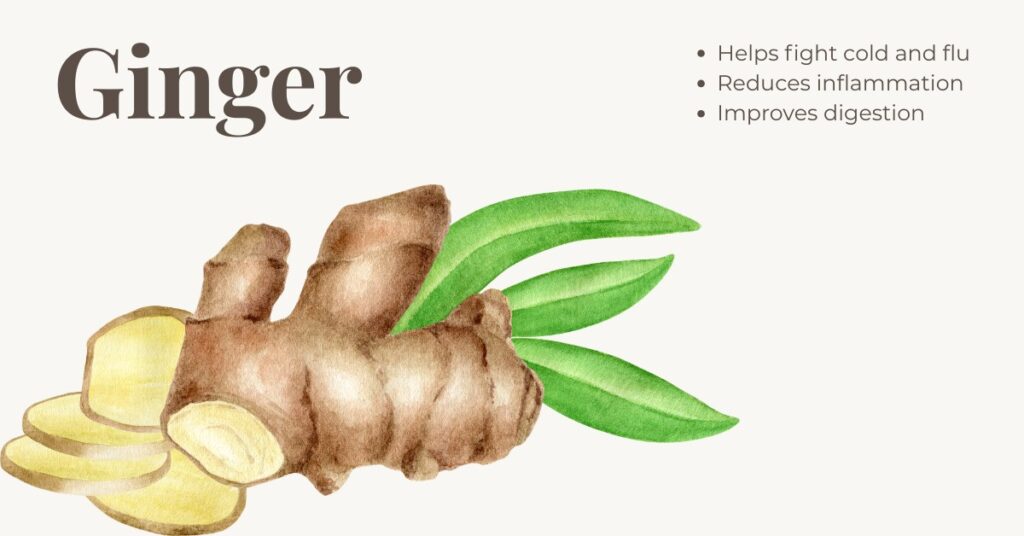
Ginger root – natural remedy that helps fight cold and flu and supports healthy digestion

Ginger is mainly helpful for easing discomfort when you’re sick, rather than stopping illness before it starts.

Ginger is known for its anti-inflammatory effects and is often used to help with digestive issues and nausea. This can be helpful during a cold or flu, even though it does not directly prevent infections.

You can easily add ginger to your diet by making tea or mixing grated ginger into soups and stir-fries. Just remember, it is not a complete immune booster on its own.

4. Spinach

Spinach offers a helpful mix of nutrients, though no single vegetable can solve everything.

Spinach gives you vitamin C, vitamin A, and antioxidants like beta-carotene. These nutrients support immune cells and help keep your skin and mucous membranes healthy, which are your body’s first defense against germs.

Steaming or quickly sautéing spinach keeps more nutrients than boiling, since boiling can wash vitamins into the water.

5. Yogurt

Yogurt supports your immune system by helping your gut, rather than providing a specific immune vitamin.

Yogurt with live active cultures gives you probiotics that help keep your gut healthy. Since much of your immune system is in your gut, this can support your overall immune health.

Check the label for ‘live and active cultures,’ and choose plain yogurt. Added sugar in flavored yogurts can harm the gut health you want to support.

6. Almonds

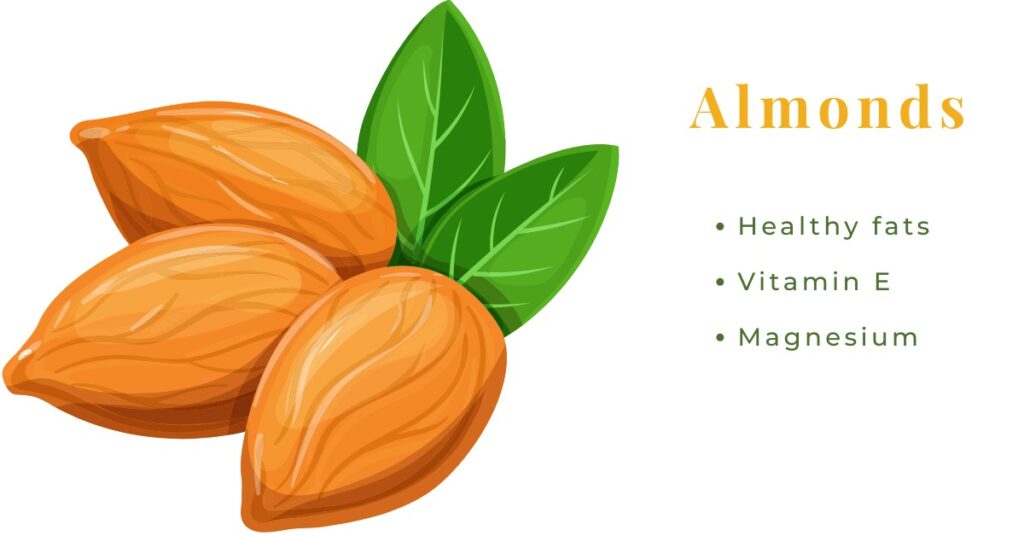
Almonds – nutritious nuts packed with vitamin E, healthy fats, and magnesium for immune support

Almonds provide a powerful antioxidant that is often overlooked in lists of immune-boosting foods. They are the richest food sources of vitamin E, an antioxidant that helps protect immune cells from damage caused by free radicals.

A small handful of almonds each day, about an ounce, is a good amount. Since almonds are high in calories, eating more is not always better.

7. Turmeric

Turmeric is known for curcumin, which supports the immune system, but the amount you need for real benefits is important to consider.

Curcumin has anti-inflammatory and antioxidant effects, but your body does not absorb it well on its own. Most strong research results come from supplements, not just a small amount of turmeric in food or drinks.

We cover this bioavailability issue — and the black pepper trick that meaningfully improves it — in full detail in our guide to drinking warm turmeric water. Turmeric is a reasonable, low-risk addition to a healthy diet; just keep expectations proportional to culinary-level doses.

8. Green Tea

Green tea contains real antioxidants, though research is still ongoing about exactly how they affect the immune system.

Green tea has EGCG and other flavonoids, which are being studied for their antioxidant and immune-supporting effects. It also has a small, gentle amount of caffeine.

Drinking one or two cups of green tea a day is a good amount. There is no evidence that drinking more gives extra benefits.

9. Broccoli

Broccoli is especially rich in nutrients for just one vegetable.

Broccoli gives you vitamin A, vitamin C, vitamin E, and fiber, all of which are linked to a healthy immune system.

Steaming broccoli keeps more nutrients than boiling, just like with spinach.

10. Sunflower Seeds

Sunflower seeds are an easy way to get two nutrients that support your immune system and are backed by research.

Sunflower seeds give you vitamin E and selenium, a mineral that helps control immune cells and acts as an antioxidant. Many people do not get enough selenium in their diets.

A small handful works well as a snack or salad topping — a simple, low-effort way to cover both nutrients at once.

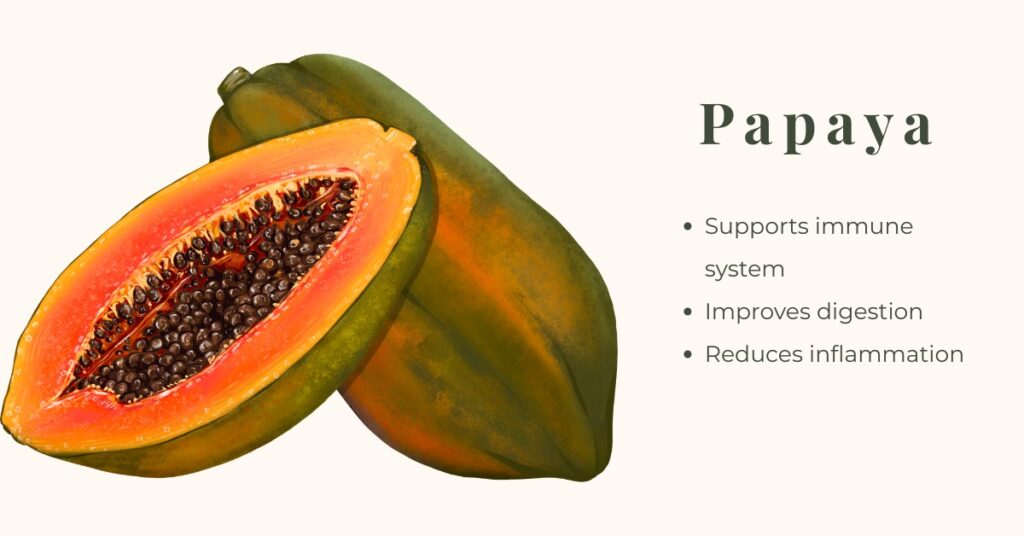
11. Papaya

Papaya – tropical fruit that boosts immunity and supports healthy digestion

Papaya gives you a good amount of vitamin C and also helps with digestion.

Papaya has a lot of vitamin C, the digestive enzyme papain, and also gives you potassium and folate.

It is a gentle choice for people with sensitive digestion, and it also adds important nutrients.

12. Kiwi

Kiwi is a great source of vitamin C, but it is often overlooked because citrus fruits get more attention.

Kiwi provides vitamin C, vitamin K, folate, and potassium in a small fruit. Gram for gram, kiwi is one of the most vitamin-C-rich fruits you can eat.d the texture — it adds fiber most people skip by peeling.

13. Mushrooms

Mushrooms offer a unique compound for immune support, though research is still ongoing.

Some mushrooms, like shiitake and maitake, have beta-glucans that may help activate immune cells. However, most strong research is based on extracts, not regular food servings.

Worth including as part of a varied diet, with the same “concentrated extract versus culinary amount” honesty that applies to turmeric above.

14. Sweet Potatoes

A straightforward, well-established nutrient contribution.

Sweet potatoes are full of beta-carotene, which your body turns into vitamin A. This nutrient is important for keeping your skin and mucous membranes healthy, which protect you from germs.s.

You can roast, mash, or add sweet potatoes to soups. They are an easy and affordable food to include in your meals.

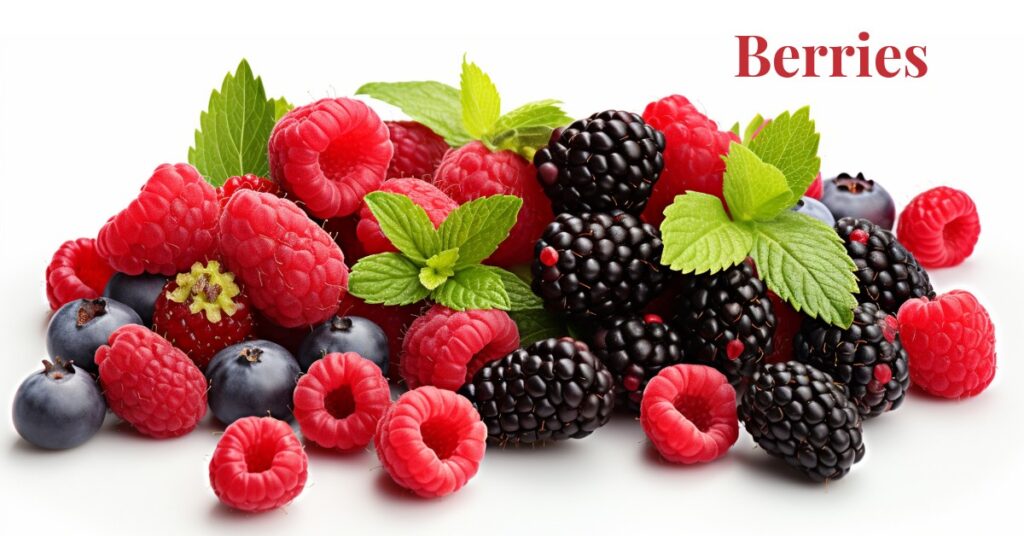
15. Berries

Antioxidant rich berries like raspberries, blueberries, and blackberries that help boost immunity and overall health

Berries finish this list because they are packed with antioxidants and have less sugar than many other fruits.

Blueberries, strawberries, and blackberries are full of antioxidants that help lower inflammation and support your immune system as part of a balanced diet.

We cover berries’ broader nutritional profile, including their favorable fiber-to-sugar ratio, in our guide to the best fruits for weight loss, where the same fiber-and-antioxidant combination shows up as a weight-management asset too.

Do These Foods Actually Prevent Illness, or Just Support Recovery?

This difference is more important than most articles about “immunity-boosting foods” suggest.

Most foods on this list help your immune system work well and might slightly reduce how long an illness lasts or how severe it is, but they do not directly prevent infections. This is a more accurate way to describe their effects than simply saying they “boost immunity.”

The main exceptions are vitamin C, which has been shown to help people under intense physical stress, and zinc, which research shows can shorten the length of a cold if you are already sick. For most people in normal situations, these foods are best seen as steady support for your immune system, not as a way to avoid getting sick.

What Lifestyle Factors Matter Alongside Diet?

Food is just one part of a bigger picture. It’s important to remember that diet alone does not tell the whole story.

Sleep, exercise, hydration, and managing stress are just as important for your immune system as what you eat. In fact, research shows that sometimes these factors matter even more.

We explore all of these factors, including some eye-opening sleep research, in our complete guide to strengthening your immune system naturally. Staying hydrated also helps your immune cells work well, which we discuss in our daily water intake guide.

What Does the Research Say, overall?

Here’s a summary of all the evidence mentioned above, gathered in one spot.

  • A Cochrane review of 29 trials with over 11,000 participants found that regular vitamin C shortened colds by 8% in adults and 14% in children. It also cut the number of colds in half for people under intense physical stress.
  • About 70 to 80 percent of the body’s immune cells are found in gut-associated tissue, according to a peer-reviewed review on gut-immune interactions. This means gut-supportive foods like yogurt can truly help support immune health.
  • Allicin, a compound in garlic, has shown antimicrobial effects in lab studies. However, strong clinical evidence that it prevents infections in people is still limited.
  • Curcumin, which comes from turmeric, is not well absorbed by the body on its own. Most impressive research results are seen with concentrated supplement doses, not the small amounts used in cooking.
  • Almonds and sunflower seeds are rich in vitamin E. This antioxidant has been studied for how it helps protect immune cells from damage caused by oxidation.
  • Vitamin A, found in foods like sweet potatoes and spinach, helps keep the skin and mucous membranes strong. These barriers are the body’s first defense against germs.

This is a realistic, evidence-based view: food can truly support your immune system, but it doesn’t provide the dramatic “boost” that some claims suggest. Immunity isn’t something you can just turn up like a dial.

Sources for further reading:

Final Thoughts: Do Foods That Boost Your Immunity Actually Work?

Yes, but only in a real, evidence-based, and realistic way. Foods that support your immune system do not work instantly before cold season. Instead, they give you important nutrients like vitamin C, zinc, vitamin E, beta-carotene, fiber for gut health, and probiotics. Your immune system needs these to work well over time.

Here are the key points to remember:

  • Vitamin C is most helpful when you are under physical stress or to shorten the length of a cold, but it does not prevent colds in general.
  • Gut health, which you can support by eating foods like yogurt and fiber-rich vegetables, is more important for your immune system than most people realize.
  • Garlic and turmeric do have real effects on the body, but it is important to remember that the right dose and strong evidence in humans are still being studied.
  • Vitamin E, found in foods like almonds and sunflower seeds, and vitamin A, found in sweet potatoes and spinach, are well-supported and often overlooked nutrients for immune health.
  • A healthy diet is most effective when you also get enough sleep, drink plenty of water, and manage your stress. Diet alone cannot replace these other important habits.

Try to include a variety of these foods in your meals instead of focusing on just one “superfood.” Combine this approach with the healthy habits from our full immune health guide. Research shows that this combination, not any single ingredient, is what really works.

Free Newsletter

Enjoyed this article?

Get practical guides on nutrition, fitness & daily healthy habits delivered to your inbox each week.

No spam, ever. Unsubscribe anytime.

Leave a Comment

Your email address will not be published. Required fields are marked *

Scroll to Top