
Living a healthy life doesn’t require extreme diets or intense workouts. In fact, small daily habits practiced consistently can make a huge difference in your physical and mental well-being.
In this article, we’ll explore 10 daily habits for a healthier life that are simple, natural, and easy to follow for all age groups.
Table of Contents
✅ Why Daily Habits Matter for Health
Your daily habits shape your long-term health.
Healthy habits help:
- Improve energy levels
- Strengthen immunity
- Reduce stress
- Improve sleep quality
- Prevent lifestyle diseases
Let’s look at the most effective daily habits you can start today.
🌅 1. Wake Up at a Consistent Time
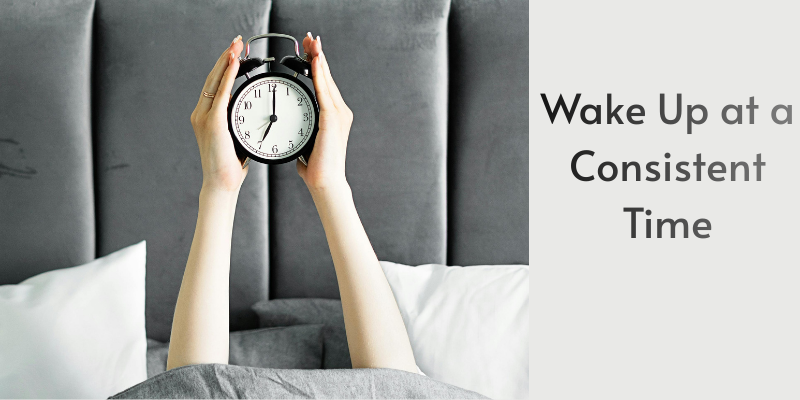
Waking up at a consistent time every day is one of the most important habits in 🌿 10 Daily Habits for a Healthier Life (Simple & Proven). When you wake up at the same time daily, your body’s internal clock stays balanced, helping you feel more energetic and fresher in the morning. This habit improves sleep quality, reduces morning tiredness, and keeps your mood stable throughout the day. Even on weekends, waking up at a similar time supports better focus, digestion, and overall health. It’s a simple habit, but it plays a powerful role in building a healthier lifestyle.
👉 Works best with a structured morning routine
💧 2. Drink Enough Water Throughout the Day
Drinking enough water every day is one of the simplest and most powerful habits for better health. Our body is made up of about 60% water, and it needs a regular supply to work properly.
🌿 Why Drinking Enough Water Is Important
Water plays a key role in keeping your body healthy. It helps to:
- Flush out toxins from the body
- Improve digestion and prevent constipation
- Boost energy levels and reduce tiredness
- Support brain function and focus
- Keep your skin clear and glowing
🚰 How Much Water Should You Drink Daily?
There is no one-size-fits-all rule, but a simple guideline is:
- 6–8 glasses of water per day
- Drink more if you exercise, sweat a lot, or live in a hot climate
⏰ Easy Tips to Drink More Water
- Start your morning with one glass of water
- Keep a water bottle with you throughout the day
- Drink water before meals
- Set reminders if you often forget
⚠️ Signs You May Not Be Drinking Enough Water
- Feeling tired or low on energy
- Dry mouth or lips
- Headaches or dizziness
- Dark yellow urine
💡 Simple Habit Tip:
Don’t wait until you feel thirsty. Make drinking water a daily habit, and your body will thank you.
🚶 3. Walk for At Least 30 Minutes Daily
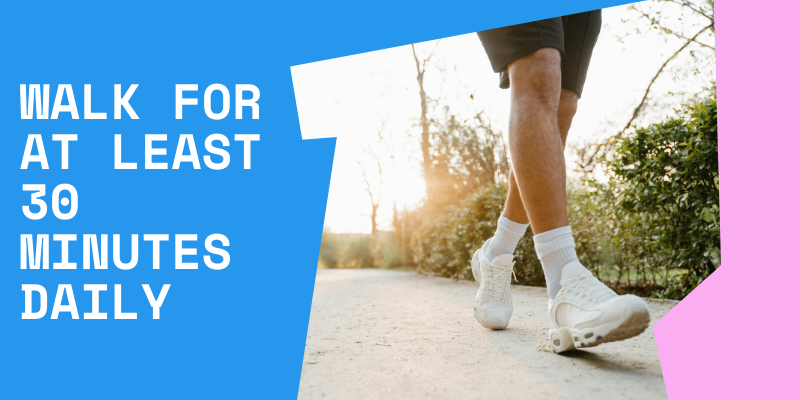
Walking for just 30 minutes a day is one of the easiest and most effective habits to stay healthy. It doesn’t require a gym, equipment, or special training—just a little time and consistency.
🌿 Why Daily Walking Is Important
Walking regularly helps both your body and mind. It can:
- Improve heart health and blood circulation
- Help maintain a healthy weight
- Reduce stress, anxiety, and depression
- Strengthen muscles and joints
- Improve digestion and sleep quality
⏱️ How Much Walking Is Enough?
- Aim for at least 30 minutes daily
- You can split it into two 15-minute walks if needed
- Walk at a comfortable but steady pace
👟 Simple Ways to Add Walking to Your Day
- Walk in the morning or evening for fresh air
- Use stairs instead of elevators
- Walk while talking on phone calls
- Park a little farther and walk the rest
⚠️ Signs You Need More Physical Activity
- Feeling tired or lazy often
- Weight gain
- Body stiffness or joint pain
- Poor sleep and low mood
💡 Simple Habit Tip:
Consistency matters more than speed. A daily 30-minute walk can greatly improve your long-term health.
🍽 4. Eat Balanced and Nutritious Meals
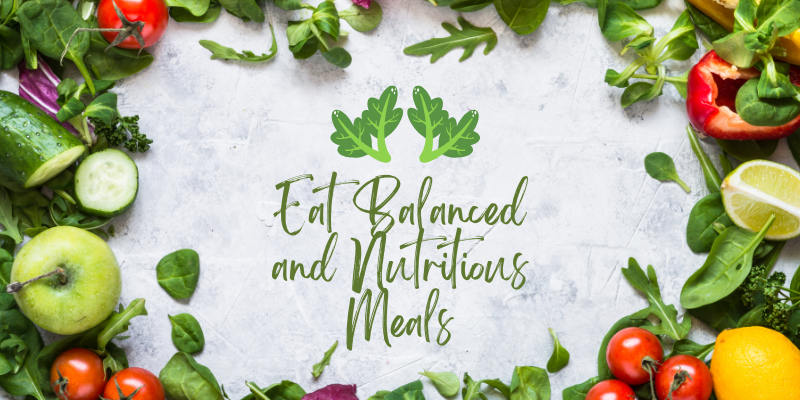
Eating balanced and nutritious meals every day is essential for maintaining good health, strong immunity, and steady energy levels. What you eat directly affects how your body functions, feels, and heals.
🌿 Why Balanced Nutrition Is Important
A balanced diet provides your body with all the essential nutrients it needs. It helps to:
- Improve digestion and metabolism
- Maintain a healthy weight
- Boost immunity and prevent illness
- Increase energy and reduce fatigue
- Support brain and heart health
🥗 What Is a Balanced Meal?
A healthy balanced meal should include:
- Fruits & vegetables – for vitamins and fiber
- Whole grains – like brown rice, oats, or whole wheat
- Protein – eggs, lentils, beans, fish, or lean meat
- Healthy fats – nuts, seeds, olive oil
🍴 Simple Tips to Eat Healthier Every Day
- Avoid skipping meals, especially breakfast
- Choose home-cooked food whenever possible
- Reduce sugary, fried, and processed foods
- Eat slowly and avoid overeating
⚠️ Signs of Poor Eating Habits
- Frequent tiredness
- Digestive issues
- Sudden weight gain or loss
- Weak immunity and frequent illness
💡 Simple Habit Tip:
You don’t need a strict diet. Just focus on balance, variety, and moderation in your daily meals.
😌 5. Manage Stress Naturally
Managing stress naturally is an essential habit in 🌿 10 Daily Habits for a Healthier Life (Simple & Proven). Daily stress can affect your sleep, digestion, mood, and overall health if not handled properly. Simple practices like deep breathing, short walks, meditation, listening to calm music, or taking short breaks can help relax your mind and body. When stress is managed naturally, you feel more balanced, focused, and emotionally strong. Making small efforts every day to reduce stress leads to better mental health and a healthier, happier life.
👉 Simple stress-reduction methods at home
🧠 6. Take Short Breaks from Screens
Taking short breaks from screens is an important habit in 🌿 10 Daily Habits for a Healthier Life (Simple & Proven). Spending too much time on mobile phones, computers, or TVs can strain your eyes, increase stress, and reduce focus. Stepping away from screens for a few minutes helps relax your eyes, clear your mind, and improve concentration. Simple actions like stretching, looking outside, or walking around the room can refresh your body and brain. Making screen breaks a daily habit supports better mental health and overall well-being.
😴 7. Follow Healthy Night Habits
Following healthy night habits is an important part of 🌿 10 Daily Habits for a Healthier Life (Simple & Proven). What you do before bedtime affects how well you sleep and how you feel the next day. Simple habits like going to bed at a fixed time, reducing screen use before sleep, eating light at night, and practicing relaxation help your body and mind rest properly. Good night habits improve sleep quality, reduce stress, and help you wake up feeling fresh and energized. Making small changes at night can lead to better health and a more balanced life.
☀️ 8. Get Sunlight and Fresh Air Daily

Getting sunlight and fresh air daily is a simple yet powerful habit in 🌿 10 Daily Habits for a Healthier Life (Simple & Proven). Natural sunlight helps your body produce vitamin D, which supports strong bones, better immunity, and a positive mood. Fresh air improves oxygen flow to the brain, helping you feel more alert and calm. Spending just 10–20 minutes outdoors—such as a morning walk, sitting near a window, or stepping outside—can boost energy levels and reduce stress. This easy daily habit supports both physical and mental well-being naturally.
🛑 9. Avoid Harmful Habits
Avoiding harmful habits is an important step toward living a longer, healthier, and more active life. Small daily choices can protect your body and mind from long-term damage.
🌿 Why Avoiding Harmful Habits Matters
Harmful habits slowly affect your health, even if the damage isn’t visible right away. Avoiding them helps to:
- Protect heart, lungs, and liver
- Improve mental health and focus
- Boost immunity and energy levels
- Reduce the risk of chronic diseases
- Improve sleep and overall quality of life
🚫 Common Harmful Habits to Avoid
- Smoking or tobacco use
- Excessive alcohol consumption
- Eating too much junk and processed food
- Sitting for long hours without movement
- Late-night screen usage and poor sleep habits
✅ Simple Steps to Break Harmful Habits
- Replace bad habits with healthy ones (walking, reading, hydration)
- Reduce gradually instead of quitting suddenly
- Stay around positive and health-focused people
- Set small daily goals and stay consistent
⚠️ Signs Harmful Habits Are Affecting You
- Low energy and frequent tiredness
- Poor digestion or sleep problems
- Mood swings or stress
- Frequent illness
💡 Simple Habit Tip:
You don’t need to be perfect—just be mindful. Reducing harmful habits little by little leads to big health improvements.
📝 10. Plan Your Day and Stay Consistent
Planning your day and staying consistent with healthy habits helps you stay focused, productive, and stress-free. When your day has a simple plan, you make better choices and avoid unnecessary confusion.
🌿 Why Daily Planning Is Important
A clear daily plan gives direction to your day. It helps you to:
- Manage time better and reduce stress
- Stay focused on important tasks
- Build healthy habits easily
- Improve productivity and confidence
- Maintain work-life balance
📅 How to Plan Your Day Simply
- Write a to-do list every morning or night before
- Set realistic goals, not too many tasks
- Prioritize the most important work first
- Keep fixed times for meals, work, and rest
🔁 Why Consistency Matters More Than Motivation
Motivation comes and goes, but consistency builds results. Small actions done daily:
- Improve health slowly but steadily
- Create discipline and self-control
- Reduce procrastination
- Help habits stick for the long term
⚠️ Signs You Need Better Planning
- Feeling stressed or overwhelmed
- Forgetting important tasks
- Poor time management
- Incomplete goals
💡 Simple Habit Tip:
Don’t plan a perfect day—plan a realistic day and follow it consistently.
🌟 Final Thoughts
Living a healthy life doesn’t require big changes or expensive routines. As you’ve seen in 🌿 10 Daily Habits for a Healthier Life (Simple & Proven), small and consistent actions—like drinking enough water, walking daily, eating balanced meals, getting sunlight, avoiding harmful habits, and planning your day—can create powerful long-term results.
The key is consistency, not perfection. Start with one or two habits, follow them daily, and slowly add more as they become part of your routine. Over time, these simple habits will improve your energy, mental clarity, immunity, and overall well-being.
💡 Remember:
Healthy living is a journey, not a race. Stay patient, stay consistent, and choose progress over pressure.
If you found this guide helpful, share it with others and keep coming back for more simple, proven health tips to support your daily lifestyle 🌱

Mujahid Lone is the writer behind HealthCoreTips, researching fitness, nutrition, and daily health habits from credible sources like WHO and Harvard Health to bring readers clear, practical, evidence-based advice.